Residential Mold Inspection buying a home, maintaining a property, or dealing with moisture issues can raise many questions. Could mold be growing behind walls? Are musty smells a warning sign? Is your family’s indoor air quality at risk?
For homeowners in Fort Wright, KY, scheduling a Northern Kentucky Inspection can help answer these concerns before they become larger problems. Northern Kentucky Inspections works with local property owners who want a clearer understanding of their home’s condition and potential mold-related concerns.
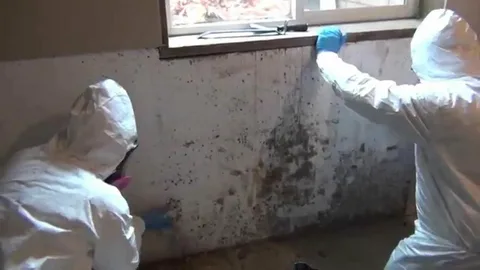
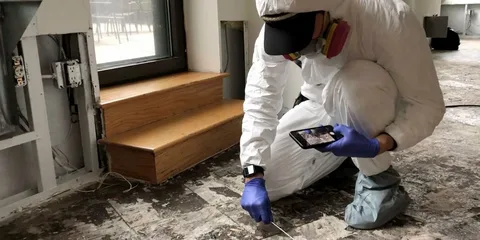
Mold growth often starts in places you cannot easily see. Basements, crawl spaces, attics, bathrooms, and areas affected by leaks can all create conditions that support mold growth. A detailed inspection helps identify moisture sources, locate affected areas, and provide information that supports informed decisions.
According to the U.S. Environmental Protection Agency (EPA), controlling moisture is the primary way to control indoor mold growth. EPA mold and moisture guidance highlights the connection between water intrusion and mold development.
For homeowners, buyers, and sellers in Fort Wright, understanding the condition of a property starts with a thorough evaluation.
Why homeowners choose professional mold inspection
Many property owners notice warning signs but are unsure what they mean. A persistent odor, visible staining, recent water damage, or allergy-like symptoms can all raise concerns.
A Professional Mold Inspection in Villa Hills, KY provides a closer look at conditions that may support mold growth. During the inspection, inspectors assess moisture levels, ventilation concerns, visible growth, and areas vulnerable to water intrusion.
Common reasons homeowners schedule inspections include:
- Water leaks from plumbing systems
- Basement moisture problems
- Roof leaks
- Real estate transactions
- Indoor air quality concerns
- Flood or storm damage recovery
The U.S. Centers for Disease Control and Prevention notes that mold exposure can contribute to respiratory irritation and other health concerns in sensitive individuals.Would you buy a home without understanding what may be hidden behind the walls? Most buyers would rather know before making a major investment.
Types of mold inspection services available
Different situations may require different inspection approaches. Selecting the right service depends on the property’s condition and your goals.
Residential mold inspection
This service focuses on homes, condominiums, townhouses, and residential properties. Inspectors evaluate living spaces, moisture sources, and areas where mold commonly develops.
Commercial mold inspection
Commercial mold inspection addresses offices, retail locations, warehouses, and other business properties. Larger structures often require broader assessments.
Indoor mold inspection
Indoor mold inspection focuses on air quality concerns, hidden moisture issues, and environmental conditions inside the building.
Black mold inspection
Property owners often request black mold inspection when they notice dark-colored growth. Laboratory testing may help determine the type of mold present.
Mold testing services
Testing can include air sampling, surface sampling, and laboratory analysis when needed.
Property mold evaluation
A property mold evaluation provides an overall assessment of mold-related risks and moisture conditions throughout the structure.
What happens during a mold assessment?
Many homeowners wonder what inspectors actually do during an inspection.
The process usually starts with a conversation about property history. Inspectors ask about leaks, flooding, odors, repairs, and visible concerns.
Next comes a visual assessment. Areas commonly inspected include:
- Basements
- Crawl spaces
- Bathrooms
- Kitchens
- Utility rooms
- Attics
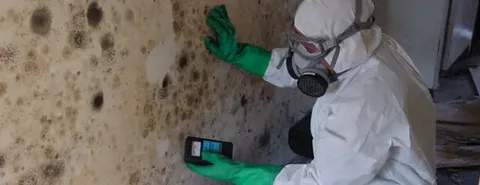
Inspectors often use moisture meters and thermal imaging equipment to locate hidden moisture. Elevated moisture readings can point to conditions that support mold growth.
When appropriate, mold testing services may be recommended. Samples are sent to a laboratory for analysis.
A certified mold inspector then prepares findings and recommendations. Companies such as Northern Kentucky Inspections commonly provide detailed reports that help property owners understand the next steps.
Consider a Fort Wright homeowner who experienced a small pipe leak behind a bathroom wall. The leak appeared minor, yet inspection equipment detected elevated moisture levels beyond the visible damage area. Early identification helped prevent a larger issue.
Cost factors for residential mold inspection in Fort Wright, KY
Inspection costs vary depending on several factors.
Property size often affects pricing. Larger homes require more inspection time.
Testing requirements can influence costs. Laboratory analysis involves additional procedures beyond a visual inspection.
Accessibility matters too. Crawl spaces, attics, and difficult-to-reach locations may require extra effort.
Factors that commonly affect pricing include:
- Square footage
- Number of samples collected
- Accessibility of inspection areas
- Extent of suspected damage
- Type of testing requested
Would spending a small amount now help avoid a much larger repair later? Many homeowners believe it can.
Kentucky homeowners should remember that moisture issues, drainage concerns, and storm-related water intrusion can contribute to mold development if left unresolved.
How to choose the right mold inspection provider
Finding the right inspection company requires more than comparing prices.
Look for a certified mold inspector with experience evaluating residential properties. Ask about inspection methods, testing procedures, reporting practices, and equipment used during assessments.
Questions worth asking include:
- Do you provide written reports?
- Do you use moisture detection equipment?
- Is laboratory testing available?
- What certifications do inspectors hold?
- How quickly are reports delivered?
A specialist focused on Residential Mold Inspection in Fort Wright, KY, often brings a different perspective than a general contractor. Companies such as Northern Kentucky Inspections concentrate on evaluating property conditions and identifying concerns rather than performing remediation work.
Kentucky property owners should verify local licensing requirements and confirm that providers follow applicable industry standards.
According to research published by the National Institute for Occupational Safety and Health (NIOSH), controlling moisture and addressing water damage promptly remains one of the most effective methods for limiting indoor mold growth.
Conclusion
A Residential Mold Inspection can provide useful information whether you are purchasing a home, preparing to sell, or investigating moisture concerns. Early identification of potential problems often helps reduce future repair costs and supports healthier indoor conditions.
If you want a clearer understanding of your property’s condition, Northern Kentucky Inspections can help explain the inspection process, discuss available testing options, and provide information suited to your situation. A thorough evaluation today can help you make more informed property decisions tomorrow.
FAQ’s
How long does a residential mold inspection take?
Most residential inspections take between one and three hours. The exact timeframe depends on property size, accessibility, and whether additional testing is required.
What does a certified mold inspector look for?
A certified mold inspector looks for moisture intrusion, visible mold growth, ventilation issues, water damage, and environmental conditions that support mold development.
Do I need mold testing if mold is already visible?
Visible mold often indicates a problem exists. Testing may still be useful when property owners want laboratory confirmation or need information about the extent of contamination.
How much does residential mold inspection cost in Fort Wright, KY?
Costs vary depending on home size, inspection scope, and testing requirements. Properties requiring multiple samples typically cost more than visual inspections alone.
Is mold inspection necessary before buying a home?
Many buyers schedule inspections before closing. Mold concerns can affect repair costs, indoor air quality, and future maintenance requirements.