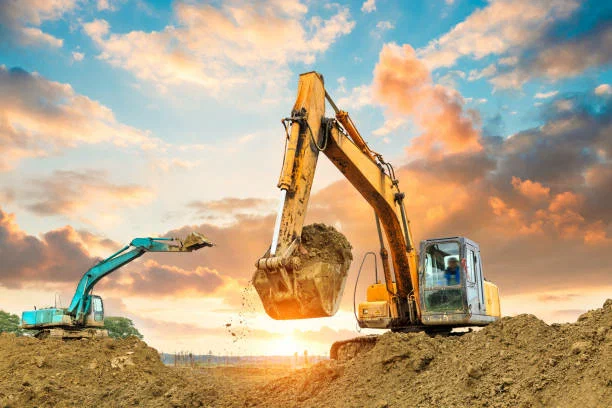
Excavation Services in Independence, KY prepare land, move soil, support grading, improve drainage, and create stable sites for safe construction projects.
Successful construction starts long before concrete is poured or framing begins. The condition of the ground underneath a project affects drainage, stability, access, and how smoothly later phases of work can proceed. Northern Kentucky Inspections Inc provides excavation work for residential, commercial, and light industrial properties throughout Northern Kentucky. Projects can involve clearing soil, preparing construction areas, moving earth, digging for utilities, supporting drainage improvements, or reshaping sections of a property before new development. Property owners in Independence, Taylor Mill, and surrounding communities should begin with a clear understanding of what needs to be removed, where material will be placed, how water moves across the site, and what structures or utilities are nearby. Excavation is not simply digging until the desired depth is reached. Good planning considers soil conditions, access for equipment, final elevations, drainage, material handling, and the work that will follow once excavation is complete.
What Excavation Services Can Include
Professional Excavation Services can support land development, construction preparation, grading readiness, utility installation, dirt movement, pool or pond projects, and other property improvements.
The exact work depends on the purpose of the site.
A homeowner preparing for an addition may need soil removed and the area brought to the correct elevation. A contractor may need a larger section cleared and shaped before foundation work begins. Utility projects can require narrow, accurately placed excavation while minimizing disruption to surrounding areas.
The service page also supports dirt and earth moving, land clearing, pool excavation, pond excavation, and construction-site work.
These different applications require different depths, equipment, material handling, and planning.
The excavation process should therefore be based on the final purpose of the site rather than treating every project as the same type of digging job.
Excavation Services in Independence, KY
Property owners planning Excavation Services in Independence, KY should begin by identifying what the finished area needs to support.
A construction project may require stable ground at a specific elevation. A drainage improvement may need carefully shaped slopes. A utility installation may require a trench that follows an established route while avoiding existing services.
Access also matters.
Large equipment needs enough room to enter, operate, turn, and leave without unnecessarily disturbing other parts of the property.
Nearby fences, landscaping, driveways, buildings, and neighboring properties can affect how the excavation is approached.
The more accurately these limitations are identified before digging begins, the easier it becomes to organize equipment movement and soil handling while protecting areas that are not part of the project.
Site Excavation in Taylor Mill, KY
Homeowners and contractors considering site excavation in Taylor Mill, KY may need ground preparation before construction, landscaping, drainage, or other improvements.
The existing slope should be reviewed before soil is removed.
Changing ground elevation can influence where rainwater travels after the project is finished.
A section that previously drained naturally may begin holding water if excavation and grading are not coordinated.
That is why excavation and drainage planning often need to work together.
Property owners should also consider what will happen to removed material.
Some clean soil may be reused elsewhere on the site when appropriate, while excess material may need hauling.
Planning those decisions before excavation begins can reduce clutter and keep the work area easier to manage.
Excavation Before New Construction
New construction requires a properly prepared starting point.
Before foundation work begins, the site may need vegetation removed, unsuitable soil cleared, elevations adjusted, and excavation completed to the dimensions required by the project.
The excavation contractor should work from the planned construction layout rather than estimating where cuts should be made.
Removing too much soil can create additional fill and compaction work.
Removing too little can slow the next phase because the site still needs adjustment.
Accurate depth and location are therefore important.
The surrounding ground should also remain reasonably stable during the process.
Construction preparation should create a site that allows foundation, utility, drainage, and grading work to continue without repeatedly correcting earlier excavation decisions.
Dirt and Earth Moving for Property Improvements
Many projects require soil to be moved without creating a deep excavation.
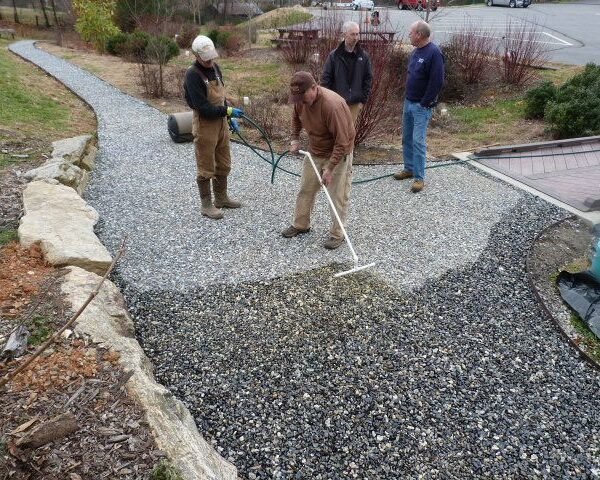
A property may need high areas lowered, low sections filled, or excess dirt relocated before landscaping or construction begins.
Earth moving should follow a plan for final elevation.
Simply pushing soil from one side of the property to another can create drainage problems if the finished slope directs water toward a building.
Soil condition should also be considered.
Wet or unstable material may behave differently from dry, compact soil and may not be appropriate for every type of fill.
Northern Kentucky Inspections Inc uses excavation and earth-moving equipment to reshape sites while supporting grading and future construction needs.
The finished result should provide a practical base for whatever work follows.
Excavation for Drainage Improvements
Poor drainage can create standing water, erosion, saturated soil, and moisture problems around structures.
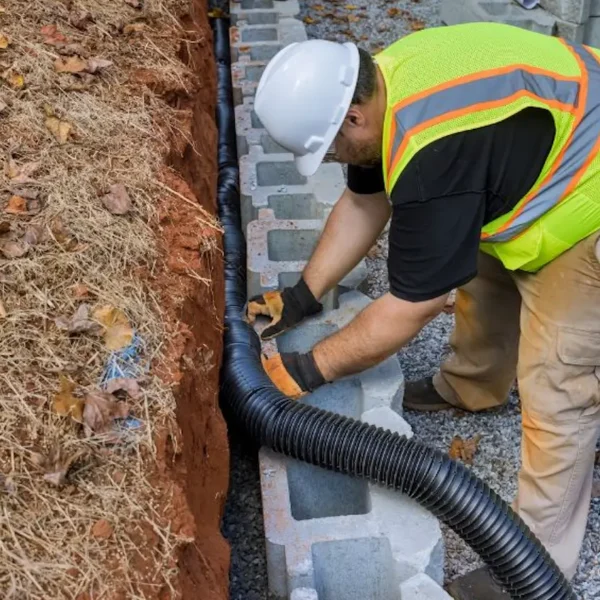
Excavation may be part of the solution when underground drainage lines, trenches, swales, or grading corrections are required.
The objective is to give water a controlled route away from problem areas.
Depth and slope matter because drainage systems depend on water moving in the intended direction.
Excavation should also be coordinated with the final surface grading.
An underground pipe may function properly, but the yard can still collect water if surrounding soil sends runoff toward the wrong area.
A combined approach can help address both surface and underground water movement rather than correcting only one part of the problem.
Utility Excavation Requires Careful Planning
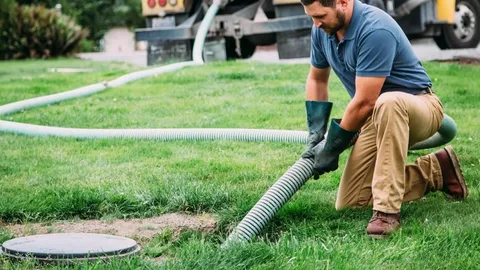
Water, sewer, gas, electrical, and drainage lines may require excavation before installation or repair.
These projects need accurate routes and depths while protecting existing underground utilities.
Property owners should know what services already cross the work area before excavation begins.
Utility awareness is especially important on developed properties where several lines may share the same general section of ground.
The trench should provide enough working space for the planned installation without creating unnecessary disturbance.
Once the utility work is complete, backfilling should also be considered.
The area may need proper soil placement and compaction depending on what surface will be installed above it afterward.
Land Clearing Before Excavation
Some sites require clearing before excavation equipment can begin shaping the ground.
Brush, small vegetation, debris, old materials, or other obstacles may interfere with access and accurate grading.
Clearing the work zone provides better visibility of existing slopes and ground conditions.
It also helps contractors determine where equipment can travel safely.
The amount of clearing should match the project.
Removing more vegetation than necessary can create additional restoration work after construction is complete.
Existing trees, landscaping, and property features that will remain should be identified before work starts.
A clear boundary between the excavation zone and protected areas can reduce unnecessary disturbance.
Pool and Pond Excavation
Pool and pond projects involve more than creating a large hole.
Dimensions, slopes, access, soil removal, drainage, and final shaping all influence the excavation process.
Pool excavation typically needs to match the planned structure closely so later construction can proceed without extensive correction.
Pond excavation can involve broader shaping because depth changes and banks influence both appearance and water behavior.
The volume of material removed can be significant.
Property owners should decide whether excavated soil will be reused for grading elsewhere or hauled away.
Equipment access also needs to be planned before excavation begins because the work area may become more difficult to enter once digging progresses.
Why Final Grading Matters After Excavation
Excavation changes the shape of the property, while grading determines how the finished ground will function.
After major soil removal or earth moving, the surrounding area may need to be leveled or sloped to support drainage and future construction.
Positive drainage generally requires water to move away from structures instead of collecting near foundations.
Driveways, parking areas, lawns, and landscaping can each require different finished grades.
The soil may also need to be prepared for the next surface.
A construction area requires different final conditions from a section that will receive topsoil and grass.
Treating excavation and grading as connected stages can produce a more usable finished site.
Managing Excess Soil and Debris
Excavation can create more material than property owners expect.
Even a moderate project can produce a substantial pile of soil once material is loosened and removed from the ground.
Before work begins, the contractor and property owner should decide where usable soil will go and what needs to leave the property.
Keeping large dirt piles too close to the excavation can limit equipment movement and create runoff concerns during rain.
Clean material may sometimes be useful for filling low areas or later grading when suitable.
Excess soil can be loaded and hauled away when the property does not have a practical reuse for it.
Planning material movement early keeps the project more organized.
Protecting Nearby Structures and Property Features
Excavation equipment can work close to homes, garages, fences, driveways, retaining walls, and landscaping depending on the site.
These nearby features should be identified during project planning.
The contractor needs enough operating room to complete the excavation without unnecessary contact with surrounding improvements.
Ground conditions can also change near existing structures.
Deep excavation close to foundations or retaining systems requires more careful planning than shallow earth moving in an open yard.
Property owners should explain any known underground structures, previous repairs, drainage systems, or buried features that may not be obvious from the surface.
Good site information helps reduce unexpected conditions once digging begins.
Prepare for the Next Construction Phase
Excavation should leave the site ready for the work that follows.
If the next step is foundation construction, dimensions and elevations need to match the project requirements.
If drainage piping will be installed, trench depth and slope need to support that system.
For landscaping, the ground may need final shaping and topsoil preparation.
Communication between excavation crews and the next contractor can prevent duplicated work.
Northern Kentucky Inspections Inc provides excavation alongside grading, drainage, trenching, hauling, and other property services, which allows related ground work to be considered together when appropriate.
The smoother the transition between phases, the less likely the site will need to be repeatedly reshaped.
Choosing an Excavation Contractor
An excavation contractor should understand the project goal before equipment arrives.
Property owners should explain what is being built or installed, where the work area is located, which features need protection, and what should happen to removed soil.
The contractor should also consider access, site slope, drainage, utility locations, and final elevation.
For larger projects, discussing the order of work is useful because excavation may need to coordinate with foundation, plumbing, drainage, landscaping, or utility contractors.
Northern Kentucky Inspections Inc provides residential, commercial, and light industrial excavation throughout the region.
Clear planning helps keep the project focused on preparing the ground correctly for the next stage instead of simply moving soil without a defined finished purpose.
Conclusion
Excavation Services provide the groundwork for construction, drainage, utility installation, land development, and many other property improvements.
For projects in Independence and Taylor Mill, successful excavation begins with accurate planning around soil conditions, site access, drainage, elevations, nearby structures, and underground utilities.
The amount of dirt removed is only one part of the job.
Property owners also need to consider where material will go, how the finished ground will drain, and what work needs to happen immediately afterward.
Excavation, grading, hauling, and site preparation often connect closely because each stage affects the next.
By defining the finished goal before digging begins and protecting surrounding property throughout the work, homeowners, contractors, and businesses can create a cleaner, more stable starting point for construction and long-term property improvements.
Frequently Asked Questions
What are Excavation Services used for?
They can support new construction, land development, utility installation, drainage improvements, grading, earth moving, pools, ponds, and other property projects.
Do excavation projects require site planning first?
Yes. Access, utilities, soil conditions, elevations, drainage, nearby structures, and the final purpose of the excavation should be reviewed before work begins.
Can excavated soil be reused on the property?
Sometimes. Suitable soil may be reused for grading or filling areas, while excess or unsuitable material may need to be hauled away.
Can Excavation Services help with drainage problems?
Yes. Excavation may support drainage trenches, underground piping, grading corrections, and other work designed to improve water movement across a property.
Why is grading important after excavation?
Grading establishes final elevations and slopes so the property can support construction, landscaping, driveways, or proper drainage after soil has been moved.
Can excavation be completed for residential and commercial projects?
Yes. Excavation can support homes, commercial properties, construction sites, utility projects, land improvements, and light industrial applications.