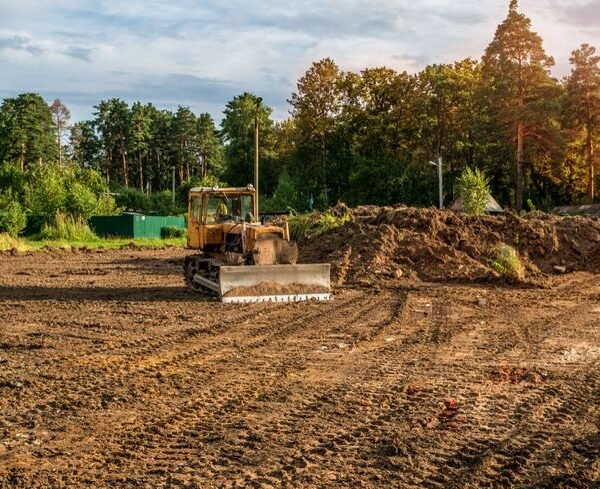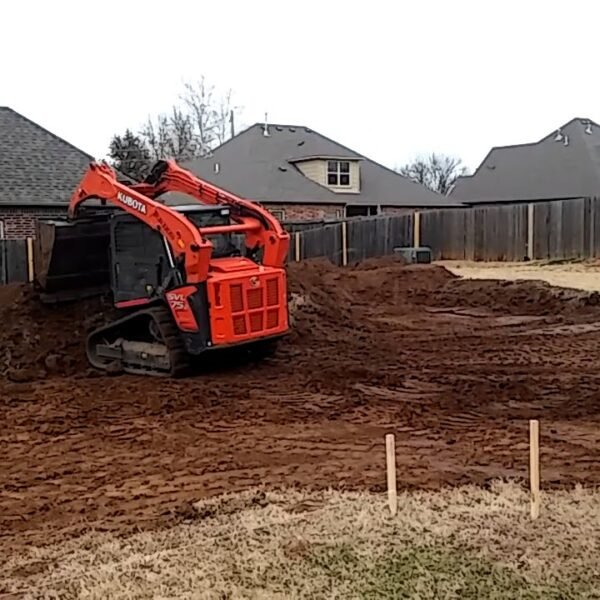
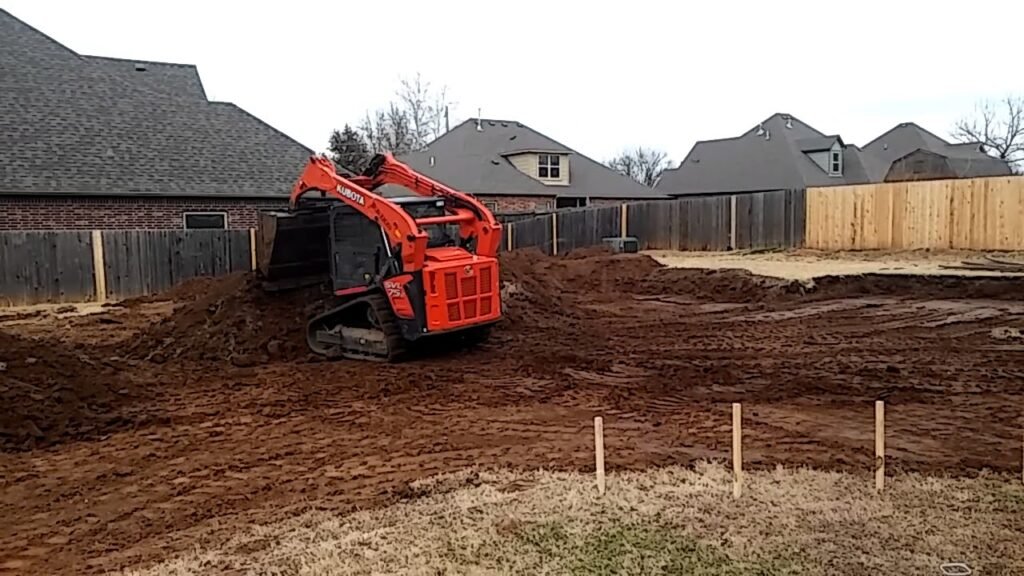
Improve drainage and site stability with Grading Contractor Services in Burlington, KY, including slope correction, leveling, runoff control, and planning.
Standing water, uneven ground, erosion, and poor runoff patterns can turn an otherwise usable property into an ongoing maintenance problem. When the land slopes toward a foundation, driveway, patio, or other structure, rainwater may repeatedly collect where it should not. Construction projects can also run into problems when the ground has not been properly leveled or prepared before foundations, pavement, landscaping, or other improvements begin. Northern Kentucky Inspections Inc provides excavation, grading, drainage, inspection, and property services throughout Northern Kentucky.
Professional grading is about shaping the land so elevations and slopes support the property’s intended use. It may involve correcting drainage around an existing home, leveling an area for construction, preparing a driveway or parking surface, or creating a better base for landscaping. Before equipment begins moving soil, the current slope, runoff direction, soil condition, nearby structures, access, and final project goals should all be evaluated. Careful planning helps avoid simply moving a water problem from one area of the property to another.
Why Grading Starts With Understanding Water Flow
The company’s dedicated Grading Contractor Services include rough grading, finish grading, site preparation, drainage correction, driveway and parking-area preparation, and land leveling for residential and commercial projects.
A grading project should begin by observing how water currently moves across the property. Low areas may collect water after storms, while steep or poorly shaped sections may allow runoff to wash soil away. Ground that slopes toward a building can place additional moisture around foundation areas instead of directing it toward a more appropriate drainage path.
Correcting these conditions requires more than filling one visible puddle. The surrounding elevations need to work together so water has a consistent direction to travel.
Property owners can provide useful information by noting where water appears during heavy rain, how long it remains after storms, and whether the problem has changed over time.
Correcting Negative Slope Near a Building
The ground around a structure should be considered whenever drainage problems appear near exterior walls or foundations. If soil has settled or was shaped incorrectly, water may move toward the building instead of away from it.
Adding soil randomly near the foundation is not always enough. The new material needs to be shaped so it creates a useful slope while still working with doors, walkways, patios, landscaping, and other nearby elevations.
Homeowners planning grading services in Burlington, KY should look beyond the immediate wet spot. Downspouts, neighboring slopes, hard surfaces, and natural runoff routes can all influence where water ends up.
The objective is to create positive drainage without creating another low area farther across the yard.
Rough Grading and Finish Grading Serve Different Purposes
Grading work often happens in stages, particularly during construction.
Rough grading establishes the main shape and elevation of the site. Large amounts of soil may be moved to create building pads, establish drainage direction, or prepare areas for driveways and other improvements.
Finish grading happens later and focuses on the final surface. Smaller elevation adjustments can prepare the site for landscaping, seed, sod, concrete, gravel, or other finished materials.
Both stages matter. Rough grading creates the overall landform, while finish grading helps refine the surface so it connects properly with structures, pavement, and landscaping.
Property owners should understand which stage is included in the project scope. A site that is ready for foundation work may not yet be ready for the final lawn or landscape installation.
Grading Before a Driveway or Parking Area
Driveways and parking surfaces depend heavily on the ground beneath them. Even strong surface materials can develop problems if the supporting soil is uneven, unstable, or shaped so water collects on the finished area.
Before gravel, asphalt, or concrete work begins, grading may be needed to create the correct elevation and drainage direction. The base should also be prepared around the expected traffic and final surface.
Water needs a practical route away from the driving area. Poor drainage can contribute to soft edges, erosion, puddling, or deterioration around adjoining soil.
Commercial properties should also consider how runoff moves from larger paved areas. Water leaving a parking surface needs somewhere appropriate to go rather than being pushed toward entrances, neighboring areas, or building foundations.
Soil Conditions Can Change the Grading Approach
Not every property responds the same way when soil is moved.
Some areas contain heavy clay, loose fill, compacted soil, gravel, or material disturbed by previous construction. Wet conditions can make soil difficult to shape or compact, while extremely dry conditions can create another set of challenges.
The amount of material being added or removed also affects the project. A minor yard correction may require only localized adjustments, while construction preparation may involve substantial earth moving.
Soil stability matters because newly shaped ground needs to support whatever comes next. Landscaping, driveways, foundations, and other improvements place different demands on the prepared surface.
Evaluating actual site conditions before grading helps determine what equipment and preparation may be appropriate.
Downspouts Should Work With the Final Grade
Roof drainage can influence yard grading more than property owners sometimes realize. Large amounts of rainwater may be concentrated at downspout outlets during storms.
If a downspout ends in a low area or releases water beside the foundation, changing the surrounding grade may improve conditions, but the discharge location should still be reviewed.
In some situations, grading and downspout drainage need to be planned together. Extending or redirecting water may help prevent roof runoff from repeatedly overwhelming the same section of yard.
Northern Kentucky Inspections Inc also provides drainage-related services, so property owners dealing with several water-management concerns can consider how each part of the site affects the others rather than treating every puddle as a separate issue.
Erosion Is Often a Sign of Concentrated Runoff
Soil erosion can appear as washed-out areas, channels, exposed roots, or bare slopes where water repeatedly moves across the same path.
Replacing the missing soil without changing water flow may provide only a temporary improvement. The next heavy rain can begin removing the new material again.
Grading can help reshape the surface so runoff moves more gradually or follows a more suitable path. Depending on the property, drainage components or landscaping may also be part of the broader solution.
Property owners should pay particular attention to erosion near driveways, retaining areas, foundations, and steep sections of the yard. Continued soil loss can affect more than appearance if it begins changing support around structures or paved surfaces.
Grading for Construction Requires Early Coordination
New homes, garages, additions, and other construction projects need a site that supports the planned structure and surrounding drainage.
The grading contractor should understand building locations, foundation elevations, driveway plans, utility routes, and finished landscape expectations before major earth moving begins. Working from incomplete information can result in areas being regraded later.
Temporary construction access should also be considered. Heavy equipment and material deliveries can disturb completed surfaces if the project sequence is not coordinated.
A clear plan allows rough grading, excavation, foundation work, utilities, and finish grading to occur in a practical order.
This can reduce duplicated work and help the finished property transition naturally between the building, driveway, yard, and surrounding land.
Property Access Matters Before Equipment Arrives
Grading equipment needs enough room to enter and work safely around the property.
Fences, gates, trees, landscaping, parked vehicles, utility equipment, retaining walls, and neighboring structures may limit access. Overhead lines or narrow side yards can also affect equipment selection.
Before work begins, movable obstacles should be cleared from the planned route. Property owners should also identify areas they want protected from unnecessary traffic.
For someone planning land grading in Covington, KY, access can be especially important on developed properties where buildings, sidewalks, driveways, and nearby lots leave less open working space.
Knowing these limitations before equipment arrives allows the grading plan to account for the actual property rather than ideal conditions.
Do Not Cover Existing Drainage Problems With New Soil
Adding topsoil can improve lawn areas and prepare surfaces for landscaping, but it should not be used simply to hide a persistent drainage problem.
If water repeatedly collects because of poor slope, a blocked drainage route, or another property condition, raising one low area without understanding where the water will go next can create a new problem nearby.
The same principle applies when restoring ground after excavation. The finished grade should reconnect properly with surrounding elevations.
A grading plan should therefore consider the entire drainage path—from where water enters the area to where it will safely leave.
This broader view is more useful than focusing only on making the ground look flat.
Maintain the Finished Grade Over Time
Once a property has been graded, homeowners should watch how it performs during future rainfall.
Some soil settlement can occur after earthwork, particularly where material has been added or disturbed. Low spots that develop later should be evaluated before they become established drainage problems.
Keep drainage paths clear of accumulated leaves, soil, or landscaping debris. Downspouts should continue directing water toward their intended outlets, and major landscaping changes should not unintentionally block established flow.
Northern Kentucky Inspections Inc provides several connected excavation and drainage services, making grading part of a wider approach to site preparation and water management.
Periodic observation after storms is one of the simplest ways to see whether the property continues directing water as intended.
Conclusion
Grading Contractor Services can improve drainage, create more usable land, prepare construction areas, reduce erosion, and establish stable surfaces for driveways, parking areas, and landscaping. Successful grading depends on understanding elevations, soil conditions, runoff patterns, access, and what the property needs to support afterward.
In Burlington, homeowners dealing with pooling water or land preparation should begin by identifying where runoff currently travels and where it needs to go. In Covington, developed properties may require additional attention to equipment access, surrounding pavement, nearby structures, and limited working space.
Northern Kentucky Inspections Inc provides grading alongside excavation, drainage, and site-preparation services. A well-planned project should correct the underlying landform rather than simply cover visible symptoms, leaving the property better prepared for future use and changing weather conditions.
Frequently Asked Questions
What are Grading Contractor Services used for?
They can be used to reshape land, improve drainage, correct slopes, level surfaces, prepare construction sites, support driveways or parking areas, and prepare ground for landscaping or other property improvements.
What is the difference between rough grading and finish grading?
Rough grading establishes major elevations and overall site shape. Finish grading makes smaller final adjustments so the surface is ready for landscaping, pavement, concrete, or another finished use.
Can grading help with standing water in a yard?
Yes, when poor slope or low areas are contributing to the problem. The entire runoff path should still be evaluated so water is redirected appropriately instead of simply moved to another problem area.
Should downspouts be considered during a grading project?
Yes. Downspouts can concentrate large amounts of roof runoff in one location, so their discharge points should work with the final property slope and drainage plan.
Why is soil condition important before grading?
Soil type, moisture, compaction, previous fill, and stability affect how the ground can be shaped and how well it will support landscaping, pavement, structures, or other improvements.
How can I tell whether new grading is working correctly?
Observe the property during and after rainfall. Water should move toward the intended drainage areas without creating new puddles, erosion channels, or runoff problems around structures and paved surfaces.