Buying an older home in Burlington, KY can offer many advantages, including established neighborhoods, mature landscaping, larger lots, and architectural features that newer construction often lacks. However, older properties also come with a history that buyers cannot always see during a typical walkthrough.
A freshly painted room, updated kitchen, or renovated basement may create a strong first impression, but these improvements do not always reveal what is happening behind walls, beneath flooring, or in areas with limited visibility. Moisture intrusion, previous water damage, and elevated radon levels are among the hidden concerns that can affect a home’s long-term safety and maintenance costs.
At Northern Kentucky Inspections Inc, we help homebuyers understand the conditions that are not always obvious during the purchasing process. Through detailed home mold testing and radon inspection, buyers gain a clearer picture of potential environmental concerns before making one of the largest financial decisions of their lives.
A pre-purchase inspection is not only about identifying visible defects. It is about understanding the complete condition of the property, including hidden risks that may influence future repairs, indoor air quality, and ownership decisions.
Why Older Burlington Homes Require More Than a Standard Walkthrough
Many buyers fall in love with older homes because of their character and location. A property with decades of history may have unique layouts, established neighborhoods, and features that are difficult to find in newer developments.
However, age also means the home has experienced years of changing weather conditions, repairs, renovations, and maintenance decisions made by previous owners.
A house built several decades ago may have gone through multiple upgrades, but each modification creates another chapter in the property’s history. A finished basement may have been added years after construction. Plumbing systems may have been repaired or replaced. Windows, insulation, and HVAC components may have been updated at different times.
These changes can create areas where moisture movement, ventilation, and building materials interact differently than they did originally.
For buyers, this means a home should not only be evaluated based on appearance. Understanding what has happened inside the property over time provides valuable insight into potential future concerns.
The Hidden Mold Risks Homebuyers Often Miss Before Closing
Mold is one of the most misunderstood concerns during the home-buying process. Many buyers assume they will immediately notice a problem through visible spots, stains, or strong odors. While those signs can indicate moisture issues, they are not always present.
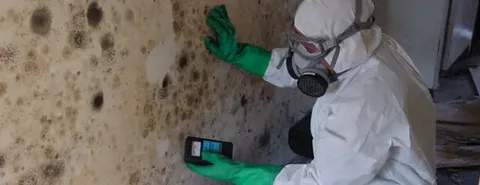
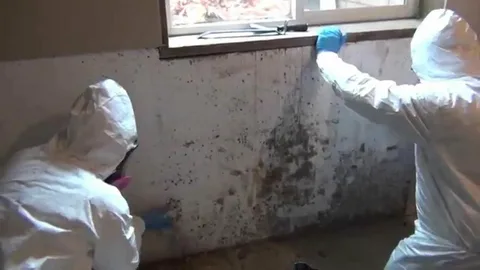
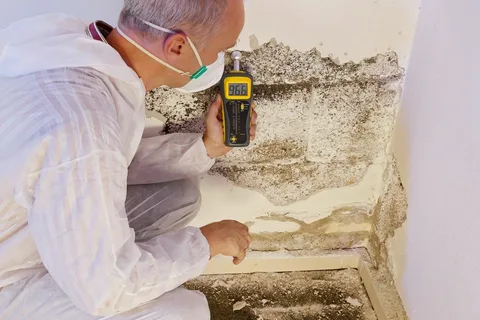
Mold growth often begins in areas that homeowners and buyers cannot easily access. Behind finished basement walls, under flooring, around plumbing connections, and inside crawl spaces are common locations where moisture problems can remain unnoticed for long periods.
Older homes may also have a history of small water events that were repaired cosmetically without addressing the underlying moisture source. A previous leak may have been dried and covered, but if materials remained damp or repairs were incomplete, conditions may still support future mold development.
This is why visual appearance alone does not provide a complete picture. A home can look clean, well-maintained, and recently renovated while still having moisture-related concerns hidden beneath the surface.
Why Basements Deserve Extra Attention During Burlington Home Inspections
Basements are often one of the most attractive features for homebuyers. They provide additional living space, storage, entertainment areas, or opportunities for future renovations. However, below-grade areas naturally face greater moisture challenges because they are surrounded by soil and experience different temperature conditions compared to above-ground rooms.
In Burlington and surrounding Northern Kentucky communities, seasonal humidity and rainfall can influence basement conditions. Poor drainage, foundation cracks, insufficient waterproofing, or previous water intrusion can create environments where moisture remains trapped.
Some warning signs are obvious, such as standing water or visible staining. Others are much more subtle. A persistent musty smell, damp feeling, condensation on pipes, or recently installed materials in a basement may deserve additional attention.
Buyers should be especially cautious when viewing finished basements. New drywall, flooring, and furniture can improve appearance while making it more difficult to identify previous moisture issues.
A proper evaluation helps determine whether the basement represents a valuable part of the home or a potential future repair expense.
Understanding Radon Risks Before Purchasing a Burlington Property
Unlike mold, radon does not create visible signs that homeowners can identify during a walkthrough. It is a naturally occurring radioactive gas that can enter homes through foundation openings, cracks, sump pits, and other pathways connected to the ground.
Because radon is invisible and odorless, testing is the only reliable way to determine whether levels inside a property require attention.
Many buyers focus heavily on structural issues, kitchen upgrades, and cosmetic improvements while overlooking environmental factors that cannot be detected without specialized evaluation. Radon is one of those concerns that can remain unnoticed throughout the entire home ownership experience unless testing is performed.
This does not mean every older Burlington home has elevated radon levels. It means buyers should understand that the risk exists and make decisions based on actual test results rather than assumptions.
Why Mold and Radon Inspections Provide Valuable Information Before Closing
A standard home inspection evaluates many important components of a property, but specialized concerns such as mold conditions and radon levels often require additional attention.
Professional Mold and Radon Inspections help buyers evaluate environmental factors that may not be visible during a traditional inspection. These inspections focus on identifying moisture conditions, potential mold growth areas, and radon levels that could affect future decisions.
For buyers purchasing older homes, this information can be especially valuable. Instead of discovering problems after moving in, homeowners can understand potential risks while they still have options during the negotiation process.
The purpose of these inspections is not to create unnecessary concern or prevent buyers from purchasing older homes. Many older properties are excellent investments when properly maintained. The goal is to provide accurate information so buyers understand what they are purchasing.
A home with complete information allows buyers to plan repairs, negotiate confidently, and make decisions based on facts rather than surprises.
Why Pre-Purchase Testing Should Happen Before Final Decisions
Many buyers wait until after closing to address environmental concerns because they assume problems will be easy to handle later. However, the pre-purchase period is the most valuable time to evaluate these issues.
Before closing, buyers have greater flexibility. Inspection findings can influence negotiations, repair requests, or final purchasing decisions. After ownership transfers, all responsibility for addressing discovered issues belongs to the new homeowner.
A small investment in specialized inspection services can provide significant peace of mind when compared to the potential cost of unexpected mold remediation, moisture repairs, or radon mitigation after moving in.
The best home-buying decisions are made when buyers understand both the visible condition of the property and the hidden factors that affect long-term ownership.
Common Mistakes Homebuyers Make When Evaluating Older Properties
One of the biggest mistakes buyers make is focusing only on visible upgrades. A remodeled kitchen, new flooring, fresh paint, and updated fixtures can create the impression that a home has been completely improved. However, cosmetic improvements do not always reflect the condition of the systems and materials beneath the surface.
A home can have beautiful finishes while still experiencing moisture issues in hidden areas. Previous owners may have completed renovations without addressing older water damage, drainage problems, or ventilation concerns. This is why buyers should look beyond appearance and understand the property’s complete history.
Another common mistake is assuming that a traditional home inspection covers every possible environmental concern. While a general inspection evaluates many important components, specialized concerns such as mold conditions and radon levels often require additional testing methods.
Buyers should also avoid relying only on seller disclosures. While disclosures provide valuable information, they are based on available knowledge and may not reveal issues that previous owners never identified.
The goal of a pre-purchase evaluation is not to find reasons to reject every older home. It is to understand the property’s condition before committing financially.
What Inspectors Look For During Mold and Radon Evaluations
A professional mold and radon assessment involves more than simply checking whether visible problems exist. Inspectors examine the conditions that allow these issues to develop in the first place.
For mold-related concerns, inspectors typically evaluate areas where moisture is more likely to accumulate. This may include basements, crawl spaces, bathrooms, kitchens, areas around plumbing fixtures, and locations with previous water exposure.
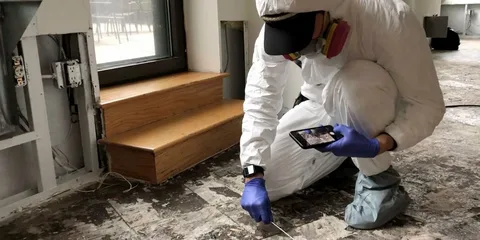
The inspection process focuses on identifying signs of moisture intrusion, unusual conditions, and areas where further investigation may be necessary. A musty odor, discoloration, damaged materials, or elevated moisture readings can provide important clues about possible concerns.
Radon evaluation follows a different process because the gas cannot be detected through sight or smell. Testing equipment measures radon levels over a specific period to determine whether the home environment requires additional action.
Together, these assessments provide buyers with a clearer understanding of environmental conditions that are impossible to evaluate through a simple walkthrough.
Why Radon testing services in Elsmere, KY Matter for Nearby Homebuyers
Although this article focuses on Burlington, buyers throughout Northern Kentucky often search across neighboring communities when purchasing a home. Areas such as Elsmere, Florence, Erlanger, and Covington share similar regional factors that make indoor environmental testing an important consideration.
Professional Radon testing services in Elsmere, KY help homeowners and buyers understand whether a property has measurable radon levels before ownership changes hands.
Because radon enters homes from the ground beneath the structure, factors such as foundation design, soil conditions, crawl spaces, and basement construction can influence indoor levels. Two nearby homes can have completely different test results depending on how they were built and how they interact with the surrounding environment.
For buyers, testing removes uncertainty. Instead of assuming a home is safe because there are no visible signs of a problem, they can make decisions based on actual measurements.
This is especially valuable when purchasing older properties because past construction methods, additions, and foundation modifications can influence how gases and moisture move through the structure.
Signs That Should Encourage Buyers to Request Additional Testing
During a home tour, buyers naturally focus on layout, location, and overall condition. However, certain details may indicate that additional evaluation is worth considering before closing.
A persistent basement odor is one of the most common signs. Even if there is no visible mold, a musty smell may suggest previous moisture problems or inadequate ventilation.
Recent repairs in specific areas can also raise questions. A section of new drywall in an otherwise older basement, freshly painted areas around windows, or recently replaced flooring may simply represent normal improvements, but they may also hide previous issues that deserve attention.
Other factors that may justify additional testing include:
- A history of basement water intrusion
- Previous plumbing leaks
- Long periods of home vacancy
- Limited ventilation in lower levels
- Older properties with multiple renovations
These signs do not automatically mean a property has serious problems. They simply indicate areas where additional information can help buyers make a more confident decision.
How Inspection Findings Can Influence the Home Purchase Process
One of the most valuable advantages of completing specialized inspections before closing is that buyers still have options.
If testing identifies elevated radon levels or moisture-related concerns, buyers can discuss findings with sellers, request repairs, negotiate pricing, or determine whether they are comfortable moving forward.
The purpose of inspection information is not to create conflict between buyers and sellers. It creates transparency during one of the largest financial decisions most people make.
For example, discovering a manageable issue before purchase allows buyers to budget appropriately. Discovering the same issue after moving in often creates frustration because the cost and responsibility become entirely theirs.
Having accurate information allows buyers to approach negotiations from a stronger position and avoid unexpected expenses shortly after taking ownership.
Cost Factors to Consider When Scheduling Mold and Radon Testing
The cost of specialized inspection services depends on several factors, including property size, the number of areas requiring evaluation, and whether additional testing is recommended.
Larger homes with finished basements, crawl spaces, additions, or extensive renovation histories may require more detailed evaluation than smaller properties with simpler layouts.
Buyers should also consider the potential cost of not testing. Mold-related repairs can involve removing affected materials, addressing moisture sources, repairing finishes, and correcting underlying problems. Radon concerns may require mitigation systems that add unexpected expenses after closing.
Compared with the overall cost of purchasing a home, specialized testing is a relatively small investment that provides valuable information before the transaction is finalized.
The goal is not to create fear around homeownership. It is to help buyers understand the property they are investing in.
Best Practices for Buyers Purchasing Older Homes in Burlington
The most successful home purchases happen when buyers combine excitement with careful evaluation. Older homes can provide excellent value, but they require a realistic understanding of maintenance needs and potential risks.
Before closing, buyers should review available property history, ask questions about previous repairs, and consider specialized evaluations when conditions suggest additional investigation is needed.
It is also important to think beyond the immediate purchase. A home that appears affordable today may require significant expenses later if hidden issues were overlooked during the buying process.
Working with qualified professionals helps buyers separate normal characteristics of older homes from conditions that require attention. This allows homeowners to move forward with confidence while understanding the responsibilities that come with ownership.
Why Choosing Certified mold and radon inspectors in Burlington, KY Matters Before Closing
When purchasing an older home, the quality of the inspection process can significantly influence the decisions you make before signing final paperwork. Not all evaluations provide the same level of detail, especially when dealing with hidden environmental concerns that cannot be identified through a simple visual review.
Working with Certified mold and radon inspectors in Burlington, KY gives buyers access to professionals who understand how moisture conditions, building materials, and indoor environmental factors interact within residential properties.
Certification and proper training help inspectors follow structured assessment methods rather than relying only on visible signs. This is especially important for older homes where previous repairs, additions, and renovations may have changed how moisture moves through the structure.
A qualified inspector can help identify whether concerns are related to current conditions, previous damage, or normal characteristics of an aging property. This distinction allows buyers to make informed decisions instead of reacting to uncertainty.
The purpose of specialized inspection is not to label older homes as risky. Many historic and established properties are excellent investments when properly maintained. The purpose is to provide buyers with accurate information before they take responsibility for the property.
Protecting Your Investment After Purchasing an Older Burlington Home
The inspection process provides valuable information before closing, but protecting the home requires ongoing attention after moving in. Moisture management and indoor air quality are not one-time concerns—they are part of regular home maintenance.
New homeowners should become familiar with areas that require routine monitoring, especially basements, crawl spaces, bathrooms, kitchens, and rooms with limited airflow. These areas naturally experience more moisture exposure and should be checked regularly.
Maintaining gutters, keeping drainage pathways clear, repairing plumbing leaks quickly, and controlling indoor humidity levels are simple steps that reduce future problems.
Homeowners should also pay attention to changes over time. A new musty smell, unexplained condensation, water stains, or changes in basement conditions should not be ignored. Early attention often prevents minor issues from becoming expensive repairs.
A well-maintained home is not one that never experiences problems. It is one where homeowners identify and address concerns before they become major challenges.
Expert Recommendations for Buyers Before Finalizing a Home Purchase
The most important recommendation for buyers is to avoid making decisions based only on appearance. Modern finishes and recent renovations can improve a home’s value, but they do not always reveal the condition of hidden areas.
Before closing on an older property, buyers should review the home’s history, understand previous repairs, and consider additional testing when conditions justify it.
If a property has a finished basement, previous water events, older construction materials, or signs of moisture exposure, specialized evaluations can provide valuable insight.
Buyers should also remember that every home has maintenance requirements. The goal is not to find a completely risk-free property—because those rarely exist. The goal is to understand the home’s current condition and make a purchase decision based on realistic expectations.
A careful evaluation before closing creates confidence and helps homeowners begin ownership with fewer surprises.
Frequently Asked Questions
How important is mold testing when buying an older home in Burlington, KY?
Mold testing can be valuable when there are signs of moisture problems, previous water damage, basement concerns, or renovation history. It helps buyers understand whether hidden conditions may exist before purchasing the property.
Does a normal home inspection include radon testing?
Many standard home inspections do not automatically include radon testing. Because radon cannot be detected through sight or smell, a separate evaluation is often needed to measure indoor levels accurately.
Can a renovated home still have mold problems?
Yes. Renovations can sometimes hide existing moisture issues or create new conditions where moisture becomes trapped behind finished materials. Proper evaluation helps identify these concerns before they become larger problems.
Should buyers test for radon even if neighboring homes have normal results?
Yes. Radon levels can vary significantly between nearby properties because factors such as foundation design, soil conditions, and construction methods influence how radon enters a home.
What should I do if inspection results show mold or elevated radon before closing?
Buyers should review the findings carefully, discuss available options, and determine whether repairs, negotiations, or additional evaluations are appropriate before finalizing the purchase.
Conclusion
Purchasing an older home in Burlington, KY can be an exciting opportunity, but understanding what exists beneath the surface is an important part of making a confident decision. Hidden moisture issues, mold risks, and radon concerns are not always visible during a home tour, which is why specialized inspections provide valuable insight before ownership changes.
A property with inspection findings is not automatically a bad investment. In many cases, identifying concerns early allows buyers to plan repairs, negotiate effectively, and move forward with realistic expectations.
By combining a traditional home inspection with professional environmental evaluations, buyers can better understand the condition of the property they are considering. Taking time to investigate hidden risks before closing helps protect both the home and the investment that comes with it.