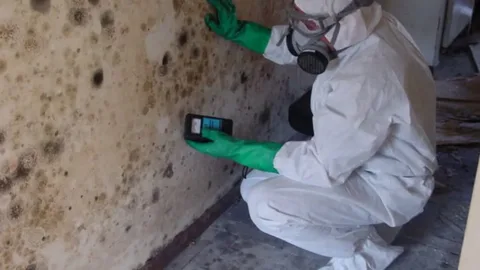
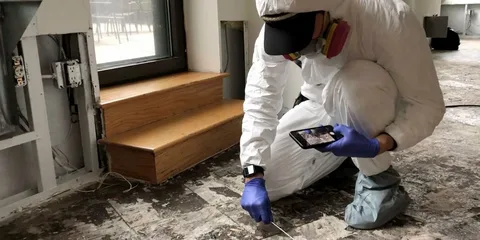
Learn about mold and radon inspections in Florence, KY, including warning signs, testing methods, inspection timing, home safety, and prevention tips.
A home can look clean and well maintained while still having environmental concerns that are difficult to see. Mold may grow in damp areas behind walls or under flooring, while radon can enter a home without producing any visible or noticeable warning signs. This makes professional Northern Kentucky Inspections Inc useful when homeowners want a clearer picture of indoor conditions.
For homeowners in Florence, KY, inspections can be especially helpful during a home purchase, after water damage, or when persistent moisture problems appear. Understanding what inspectors look for and when testing makes sense can help homeowners make informed decisions about their property.
Why Mold and Radon Inspections Matter
Mold and radon represent different types of concerns, so inspectors use different methods to evaluate them.
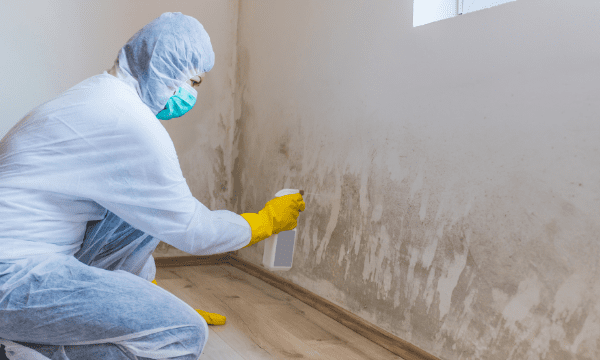
Mold generally requires moisture to grow. Leaks, flooding, condensation, poor ventilation, and damp areas can create conditions where mold develops. Some growth remains visible, while other problems may occur in concealed spaces.
Radon is different. It is a naturally occurring radioactive gas that can enter buildings through openings in foundations, floors, walls, and other pathways. You cannot reliably determine whether a home has elevated radon simply by looking around the property.
An inspection or test provides information that a visual walkthrough alone cannot provide.
Common Signs That May Justify a Mold Inspection
Homeowners do not always see Mold and Radon Inspections in Florence, KY directly. Sometimes the surrounding conditions provide the first clue.
Watch for:
- Musty or earthy odors
- Water stains on ceilings or walls
- Repeated condensation
- Damp basements or crawl spaces
- Peeling paint or wallpaper
- Discolored areas around plumbing
- Previous flooding or water intrusion
- Recurring moisture problems
- Visible mold growth
A musty smell does not automatically prove that mold exists, but it can justify further investigation, particularly when moisture is also present.
When to Consider Radon Testing
Because radon has no reliable visual or odor warning sign, testing provides the practical way to determine whether levels are elevated.
Homeowners may consider testing when:
- Buying a home
- Selling a property
- Moving into a new home
- Finishing or renovating a basement
- Making changes to the foundation
- A previous test showed elevated levels
- A long period has passed since the last test
Testing may also be useful simply because homeowners want current information about the property. Conditions can change as buildings age or as renovations alter how air moves through the structure.
What Mold and Radon Inspection Services Near Me Can Cover
When searching for mold and radon inspection services near me in Burlington KY, homeowners should understand that the exact scope depends on the property and the reason for the inspection.
A mold inspection may involve examining areas where moisture is likely to occur, such as basements, bathrooms, kitchens, crawl spaces, and areas around plumbing.
Radon testing uses specialized equipment or testing methods designed to measure radon levels over a defined period.
A professional assessment may help answer questions such as:
- Is there evidence of moisture?
- Are there areas that require closer examination?
- Does visible growth appear consistent with a mold concern?
- Does testing indicate elevated radon?
- Are there conditions that could contribute to future problems?
The inspection report should clearly explain findings rather than leave homeowners trying to interpret technical information on their own.
How Mold and Radon Differ
Mold Inspection vs. Radon Testing
Mold inspections focus largely on moisture conditions and evidence of fungal growth. Radon testing focuses on measuring the concentration of an invisible gas.
These services address different concerns, but homeowners may choose to evaluate both when buying a property or investigating indoor environmental conditions.
Understanding the difference helps avoid treating one issue as if it were the other. Removing visible mold, for example, does not address radon, and a radon test does not determine whether a property has mold.
Choosing the Best Mold Inspection Services
Homeowners searching for the Best mold inspection services should look for professionals who explain their inspection process clearly and document their findings.
Consider:
- Relevant inspection experience
- Appropriate testing methods
- Clear written reports
- Thorough visual examination
- Attention to moisture sources
- Clear explanation of findings
- Professional communication
- Recommendations that relate directly to observed conditions
Be cautious of anyone who promises a specific result before examining the property. A good inspection should be based on evidence from the actual home.
Common Mistakes Homeowners Make
Relying Only on What They Can See
Mold can develop in areas that are difficult to access. A clean-looking room does not necessarily rule out a moisture-related problem.
Assuming Mold Is Always the Main Issue
A musty smell or water stain may have several possible causes. Finding the source of moisture matters more than simply treating a visible symptom.
Ignoring Previous Water Damage
Even after a leak has been repaired, moisture may remain in building materials. Previous flooding or plumbing failures should be part of the property’s history.
Treating Radon as a One-Time Permanent Result
A previous radon result describes conditions during the testing period. Changes to the home or natural variations can make additional testing useful.
Covering Up Moisture Problems
Painting over stains or sealing surfaces without addressing the source of moisture can allow the underlying problem to continue.
Best Practices for Homeowners
A few habits can make it easier to identify environmental concerns early.
- Fix plumbing leaks promptly.
- Keep gutters and downspouts directing water away from the foundation.
- Watch for condensation in damp areas.
- Keep basements and crawl spaces appropriately ventilated.
- Check areas around windows and exterior doors for moisture.
- Keep records of previous water damage and repairs.
- Consider radon testing when purchasing or renovating a home.
- Address recurring moisture instead of repeatedly covering visible damage.
Homeowners should also avoid disturbing suspected mold unnecessarily. Large or extensive areas may require specialized assessment and remediation.
Actionable Tips for Florence Homeowners
If you suspect a moisture problem, begin by documenting what you see. Take note of where stains, odors, condensation, or visible growth occur and whether the problem changes after rain.
If you are purchasing a home, ask about previous flooding, plumbing leaks, basement issues, and past environmental testing. This information can provide useful context for an inspection.
For radon concerns, rely on an appropriate testing method rather than trying to judge risk from the home’s appearance. If a test indicates elevated levels, discuss the result with a qualified professional who can explain available mitigation options.
Most importantly, treat inspection results as information for making decisions. An inspection can identify conditions that deserve attention, but the appropriate next step depends on the specific findings.
Conclusion
Professional Best mold inspection services can give Florence, KY, homeowners useful information about two different indoor environmental concerns. Mold investigations focus on moisture and evidence of growth, while radon testing measures an invisible gas that cannot be detected through sight or smell. Understanding when to inspect, what the process involves, and how to respond to findings can help homeowners make practical decisions about property maintenance and safety.
FAQ
How often should a home receive a mold inspection?
There is no single schedule for every home. An inspection may make sense after significant water damage, recurring moisture problems, or when visible signs or persistent odors appear.
Can you see radon in a home?
No. Radon is an invisible and odorless gas, so testing is necessary to determine whether levels are elevated.
Is a musty smell always a sign of mold?
Not necessarily. A musty odor can indicate moisture or other conditions. A professional assessment can help determine what may be causing the odor.
Should I test for radon when buying a home?
Testing can provide useful information about the property’s current radon conditions and may be worth considering as part of the home evaluation process.
What should I do if an inspection finds a moisture problem?
First, identify and correct the source of moisture. Depending on the extent of the issue, additional assessment, drying, repair, or professional remediation may be appropriate.