Learn how plumbing and septic inspection near me can identify hidden leaks, pipe issues, septic concerns, and drainage problems in Florence and Newport, KY.
A plumbing problem does not always start with a burst pipe or a backed-up drain. Small leaks, damaged lines, poor drainage, and septic concerns can develop quietly and cause larger problems later. Northern Kentucky Inspections Inc helps property owners understand what inspections can reveal before a minor concern becomes a costly repair.
For homeowners searching for plumbing and septic inspection near me in Florence and Newport, KY, an inspection can provide useful information about the condition of important plumbing and wastewater components. This becomes especially valuable when buying a home, preparing to sell, investigating recurring problems, or maintaining an older property.
Why Plumbing and Septic Inspection Near Me Matters
Plumbing and septic systems perform different jobs, but both affect the health, comfort, and function of a property. Plumbing delivers and distributes water, while a septic system manages wastewater on properties that use private sewage treatment.
An inspection can help identify:
- Leaking pipes
- Drainage concerns
- Damaged plumbing lines
- Poor water flow
- Sewer-related problems
- Septic tank concerns
- Drain field issues
- Signs of previous repairs
Finding a problem early can give homeowners more time to plan the appropriate next step.
How Plumbing and Septic Inspection Near Me Helps Homebuyers
A home can look excellent during a showing while hidden plumbing and septic inspection near me in Florence, KY problems remain unnoticed. A detailed inspection provides additional information that a visual walk-through cannot provide.
Before purchasing a property, buyers should understand:
- The age and condition of plumbing components
- Whether drains function properly
- The condition of accessible sewer connections
- The apparent condition of the septic system
- Any visible signs of leaks or backups
- Previous maintenance or repair history
An inspection does not guarantee that a system will never fail, but it can reveal current conditions that deserve attention.
What a Plumbing Inspection May Examine
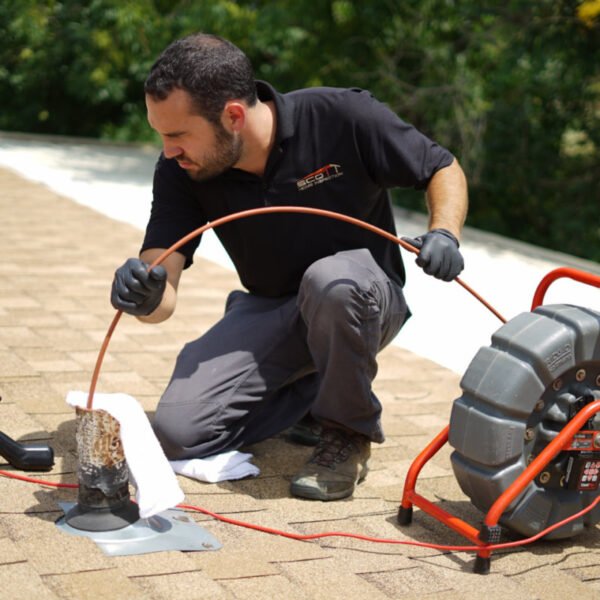
Plumbing inspections vary based on the property and inspection scope. A professional evaluation may review accessible components throughout the home.
Areas may include:
- Supply lines
- Drain lines
- Faucets and fixtures
- Water heaters
- Toilets
- Shutoff valves
- Accessible sewer connections
- Visible plumbing leaks
Inspectors may also look for signs of water damage or conditions that could indicate a hidden plumbing problem.
Understanding Septic System Services
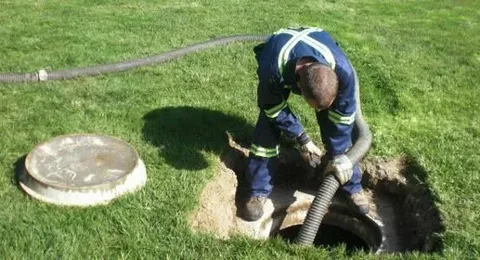
Properties with private septic systems require different maintenance and inspection considerations. Septic system services in Newport, KY can help homeowners understand the condition of components that manage household wastewater.
A septic evaluation may consider:
- Tank condition
- Inlet and outlet components
- Access points
- Signs of leakage
- Effluent levels
- Drain field conditions
- Surface drainage
- Previous pumping or maintenance
The exact inspection process depends on the system design and property conditions.
Plumbing Inspection vs. Septic Inspection
Although these inspections can occur together, they focus on different parts of the property.
| Inspection | Main Focus | Common Concerns |
| Plumbing inspection | Indoor and accessible plumbing | Leaks, fixtures, pipes, drains |
| Septic inspection | Private wastewater system | Tank, drain field, wastewater flow |
| Sewer inspection | Sewer line condition | Blockages, damage, root intrusion |
| Combined evaluation | Plumbing and septic system | Multiple system concerns |
A combined evaluation can provide a broader picture when a property relies on both conventional plumbing and a private septic system.
Signs Your Plumbing System Needs Attention
Homeowners should not wait for a major leak before investigating plumbing concerns.
Watch for:
- Slow drains
- Low water pressure
- Unusual plumbing noises
- Persistent odors
- Water stains
- Damp areas
- Repeated toilet backups
- Unexpected increases in water use
One symptom may have a simple cause, but recurring or multiple symptoms deserve closer evaluation.
Signs of Potential Septic Problems
Septic problems can also appear gradually. Homeowners should pay attention to changes around the property.
Possible warning signs include:
- Slow household drains
- Sewage odors
- Wet areas near the drain field
- Unusually lush vegetation over part of the system
- Sewage surfacing outdoors
- Frequent backups
- Gurgling plumbing
These signs do not identify the exact cause on their own. A proper inspection can provide more useful information.
Choosing a Residential Septic and Plumbing Inspection Company
What to Look for in a Residential Septic and Plumbing Inspection Company
A residential septic and plumbing inspection company should understand the differences between household plumbing and private wastewater systems.
Homeowners should consider:
- Inspection experience
- Clear inspection scope
- Detailed reporting
- Knowledge of residential systems
- Ability to identify visible warning signs
- Clear communication about findings
A useful inspection report should explain what the inspector observed rather than simply listing problems without context.
Common Inspection Mistakes
Homeowners and buyers sometimes make avoidable mistakes when evaluating plumbing and septic systems.
Common mistakes include:
- Inspecting only visible fixtures
- Ignoring slow drains
- Assuming newer systems cannot have problems
- Skipping septic evaluation during a home purchase
- Failing to review previous maintenance
- Treating a temporary plumbing fix as a permanent solution
- Ignoring outdoor signs of septic trouble
A thorough inspection provides more useful information than a quick visual check.
Best Practices for Plumbing and Septic Maintenance
Regular maintenance can help homeowners stay aware of system conditions.
Helpful practices include:
- Addressing leaks promptly
- Avoiding inappropriate materials in drains
- Monitoring water pressure
- Keeping septic maintenance records
- Following recommended septic pumping schedules
- Protecting drain field areas from heavy loads
- Watching for changes in drainage
Homeowners should also keep documentation of repairs, inspections, and septic maintenance. These records can become useful during future repairs or a property sale.
Actionable Tips Before Scheduling an Inspection
Before an inspection, homeowners can prepare by:
- Making a list of recurring plumbing problems.
- Identifying slow or frequently clogged drains.
- Gathering previous plumbing records.
- Reviewing septic pumping and maintenance history.
- Noting unusual odors or wet areas outdoors.
- Identifying recent repairs.
- Asking what areas the inspection will cover.
Providing this information gives the inspector useful context.
Conclusion
A professional residential septic and plumbing inspection company can help homeowners in Florence and Newport, KY understand the condition of important water, drainage, and wastewater systems. Early identification of leaks, drainage concerns, and septic warning signs can make maintenance and repair planning easier.
Northern Kentucky Inspections Inc provides inspection services for property owners who need information about plumbing and septic conditions. Whether the inspection supports a home purchase, routine maintenance, or investigation of a recurring issue, a clear evaluation can help homeowners make informed decisions about their property.
FAQs
1. Why should I get a plumbing and septic inspection?
An inspection can identify visible or accessible concerns involving plumbing, drainage, septic components, and wastewater systems before they become larger problems.
2. Is a septic inspection different from a plumbing inspection?
Yes. A plumbing inspection focuses mainly on the property’s water and drainage components, while a septic inspection evaluates the private wastewater system.
3. Should I get a septic inspection when buying a home?
If the property uses a private septic system, an inspection can provide useful information about its apparent condition before completing a purchase.
4. What are common signs of septic problems?
Slow drains, sewage odors, wet areas near the drain field, sewage surfacing, and repeated backups can indicate a potential septic concern.
5. How often should plumbing and septic systems be inspected?
The appropriate frequency depends on the property’s age, system type, maintenance history, and current concerns. An inspection may also make sense before a home purchase or after recurring problems appear.