Pests do not appear randomly. Their activity changes throughout the year based on temperature, moisture, and food availability. Understanding when different pests become active can help homeowners take preventive action before a small problem turns into a costly infestation. In Newport, Kentucky, seasonal weather creates ideal conditions for ants, rodents, termites, and other unwanted pests to thrive if homes are not properly maintained.
At Northern Kentucky Inspections, we often remind homeowners that protecting a property involves more than checking visible areas. Small cracks, hidden moisture, and unnoticed structural issues can create the perfect environment for pests to enter and multiply. Knowing what to expect each season helps you stay ahead of potential infestations and protect your investment.
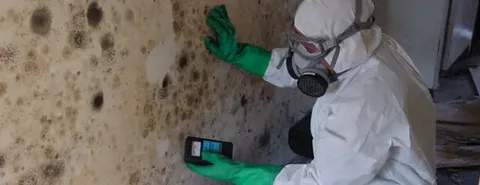
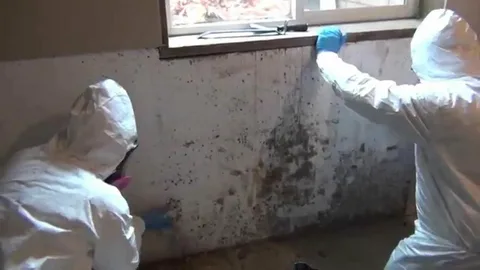
Many homeowners who schedule inspections for pest concerns also request services from Certified mold inspectors in Newport, KY, as excess moisture often encourages pest activity. Others choose to evaluate Residential plumbing services in Covington, KY because leaking pipes and drainage problems frequently attract insects and rodents. Addressing these hidden issues together can significantly reduce the risk of recurring infestations.
Why Pest Activity Changes Throughout the Year
Every pest has its own life cycle. Some become active as temperatures warm in spring, while others seek shelter indoors during the colder months. Rainfall, humidity, and seasonal weather patterns also influence where pests build nests and search for food.
Newport experiences all four seasons, making it common for homeowners to deal with different pest challenges throughout the year. Instead of reacting after pests appear, understanding their seasonal behavior allows you to prevent problems before they begin.
January and February: Rodents Look for Warm Places to Hide
Winter forces mice and rats to search for warmth, food, and shelter. Homes provide everything they need, especially if there are small openings around foundations, garages, or utility lines.
Common winter entry points include:
- Gaps beneath exterior doors
- Cracks in foundation walls
- Openings around plumbing pipes
- Roof vents
- Damaged weather stripping
- Garage door corners
Once inside, rodents often hide behind insulation, inside walls, or in attics where they can build nests without being disturbed.
Signs You May Have Rodents
Some warning signs include:
- Scratching noises inside walls
- Small droppings near food storage
- Gnawed wires or wood
- Torn insulation
- Musty odors in hidden areas
Taking action early helps prevent larger infestations before spring arrives.
March and April: Ant Colonies Become Active
As the weather begins to warm, ants leave their winter nests in search of food and moisture. Homeowners often notice small trails of ants in kitchens or bathrooms, but these visible workers represent only a tiny portion of a much larger colony.
Spring rainfall may also force ants indoors when outdoor nests become flooded.
Areas where ants commonly appear include:
- Kitchen countertops
- Pantry shelves
- Window sills
- Basement walls
- Bathroom sinks
- Patio doors
Cleaning food spills promptly and sealing entry points can help reduce the chances of an indoor infestation.
May and June: Termite Swarm Season Begins
Late spring marks one of the most important periods for homeowners because termite colonies begin producing winged swarmers. These flying termites leave established colonies to start new ones nearby.
Although they are often mistaken for flying ants, termite swarmers are an early warning sign that should never be ignored.
Homes become more vulnerable when they have:
- Damp crawl spaces
- Wood-to-soil contact
- Poor drainage
- Moist basement framing
- Untreated wood around the foundation
Because termites consume wood from the inside, damage often remains hidden until significant structural repairs are needed.
July and August: Peak Summer Pest Activity
Warm temperatures combined with high humidity create excellent breeding conditions for many insects. Summer is often the busiest season for pest activity throughout Newport.
Homeowners commonly experience increased activity from:
- Ants
- Wasps
- Mosquitoes
- Cockroaches
- Spiders
- Flies
Standing water around the property provides breeding areas for mosquitoes, while overflowing trash bins and outdoor food sources attract ants and other insects.
Moisture also plays a major role during the summer months. Plumbing leaks, poor ventilation, and damp basements create favorable conditions for pests while also contributing to mold growth.
As Temperatures Drop, Rodents Look for Indoor Shelter
When cooler weather arrives, rodents begin searching for safe places where they can find warmth, food, and water. Homes become an attractive refuge, especially when small gaps around foundations, garage doors, utility pipes, or attic vents provide easy access.
Mice can enter through surprisingly small openings, while rats need only a slightly larger space. Once inside, they often build nests behind walls, inside attics, crawl spaces, or beneath insulation, where they can remain hidden for long periods.
Homeowners should inspect the exterior of their property before colder weather sets in. Sealing entry points, replacing damaged weather stripping, and removing leaves or debris near the foundation can greatly reduce the risk of a rodent infestation.
Why Pest Problems Continue Even During Cold Weather
Many people assume pests disappear once outdoor temperatures fall, but that is rarely the case. While some insects become less active outside, many continue living comfortably inside heated homes.
Rodents remain active throughout the season, spiders settle into quiet corners, and cockroaches often gather near kitchens, laundry rooms, and utility areas where warmth and moisture are available.
This is also an ideal time to inspect basements, crawl spaces, and storage rooms for hidden moisture. Condensation around plumbing pipes, damp walls, or poor ventilation can create conditions that encourage both pests and mold.
Hidden Moisture: The Common Cause Behind Many Pest Infestations
Eliminating pests without fixing the conditions that attract them often leads to recurring infestations. One of the biggest contributing factors is excess moisture.
Water from leaking pipes, poor drainage, foundation seepage, or high indoor humidity creates an environment where insects and rodents can thrive. Damp wood attracts termites, standing water encourages mosquitoes, and humid spaces provide ideal hiding places for ants, cockroaches, and other pests.
That is why many homeowners request inspections from Certified mold inspectors in Newport, KY when they notice musty odors, damp areas, or recurring pest activity. Addressing moisture problems early helps eliminate the conditions that allow infestations to develop.
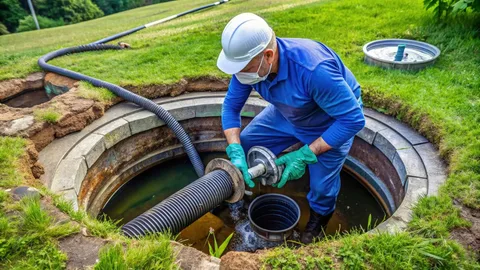
Likewise, homeowners may also evaluate Residential plumbing services in Covington, KY to identify hidden plumbing leaks or drainage issues that contribute to long-term moisture problems and attract unwanted pests.
Simple Ways to Reduce the Risk of Pest Infestations
Preventing pests is usually easier than eliminating an established infestation. A few routine maintenance practices can make a significant difference throughout the year.
- Seal cracks around doors, windows, foundations, and utility openings.
- Keep gutters and downspouts clean so water drains away from the home.
- Repair leaking pipes, faucets, and drains as soon as possible.
- Store food in airtight containers and clean spills promptly.
- Remove standing water around the property.
- Trim shrubs and tree branches that touch the exterior of the house.
- Keep firewood stacked away from the foundation.
- Reduce clutter in basements, garages, and crawl spaces.
- Schedule regular property inspections to identify hidden conditions before they attract pests.
Why Professional Inspections Are an Important Part of Prevention
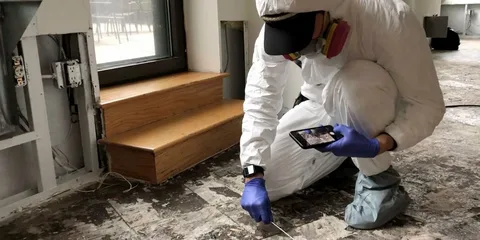
Visible pest activity is often only one part of the problem. Hidden moisture, structural gaps, damaged insulation, and concealed plumbing leaks can continue attracting pests even after an infestation has been treated.
A professional inspection evaluates the property as a whole, helping homeowners identify the conditions that encourage pest activity instead of focusing only on the pests themselves. Correcting these underlying issues provides longer-lasting protection and helps preserve the home’s value.
Frequently Asked Questions
Why do pest problems increase during different seasons?
Temperature, rainfall, humidity, and food availability all influence pest behavior. Understanding these seasonal changes allows homeowners to take preventive measures before infestations become serious.
Can moisture inside my home attract pests?
Yes. Damp areas caused by leaks, poor drainage, or high humidity create ideal conditions for termites, ants, cockroaches, and many other pests.
What are the first signs of a termite problem?
Discarded wings, mud tubes, hollow-sounding wood, and damaged wooden structures are common warning signs that should be professionally evaluated.
How can rodents enter a home so easily?
Rodents can squeeze through very small openings around foundations, doors, utility pipes, and vents. Sealing these gaps is one of the most effective ways to prevent infestations.
Is a professional inspection helpful even if I haven’t seen pests?
Absolutely. Many pest problems begin long before visible signs appear. Regular inspections can identify hidden conditions that increase the risk of future infestations and help homeowners address them early.
Conclusion
Pest activity follows predictable seasonal patterns, but costly infestations can often be prevented with proactive maintenance and timely inspections. Understanding how ants, rodents, termites, and other pests respond to changing conditions allows homeowners to protect their property before damage occurs.
If recurring moisture or hidden structural issues are creating an environment where pests can thrive, scheduling an inspection with Certified mold inspectors in Newport, KY can help identify the underlying causes. Likewise, evaluating Residential plumbing services in Covington, KY can uncover plumbing leaks or drainage problems that contribute to ongoing pest activity. Taking action before small issues become major repairs is one of the best ways to keep your Newport home protected year-round.