A healthy home starts underground. Your sewer line and septic system move waste away from the house every day, and most people never think about them until something goes wrong. Slow drains, wet spots in the yard, or bad odors usually point to a bigger issue below the surface. Homeowners in Northern Kentucky run into these problems more often than they expect. Northern Kentucky Inspections Inc helps property owners see what is really happening underground. This guide explains how sewer septic repair works, which warning signs matter, and when to call a professional.
Which Warning Signs Mean You Need Sewer Septic Repair in Florence, KY?
Your home usually gives clear signals before a full failure. Watch for slow drains in more than one fixture, gurgling toilets, or sewage smells near the yard. Standing water or unusually green grass above the drain field often means wastewater is rising to the surface. Backups during heavy rain point to a cracked or blocked sewer line. Many Florence homeowners book septic tank inspection services in Florence KY right after they notice these signs. Early action keeps a small repair from turning into a full system replacement.
Why Does a Sewer Line Camera Inspection Matter in Florence, KY?
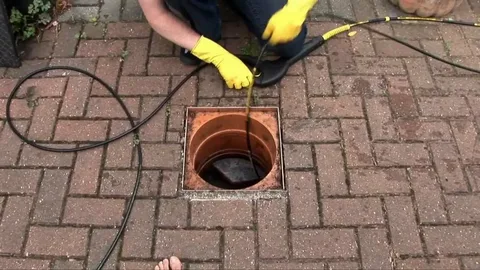
You cannot fix what you cannot see. A camera inspection sends a small waterproof lens through the pipe and records the true condition inside. It finds tree roots, cracks, sagging sections, and grease buildup within minutes. This step matters most during a home purchase, because the buyer inherits every hidden defect. A sewer line camera inspection for older homes is especially useful in established Florence neighborhoods with clay or cast iron pipe. The video gives you proof instead of opinions before you spend money on sewer septic repair in Florence, KY.
The footage also helps with insurance claims and seller negotiations. If the camera finds root intrusion, you can treat the line before it collapses. Buyers often request a septic tank inspection alongside the camera work, so both halves of the system get checked in one visit. Northern Kentucky Inspections Inc saves the recording and shares it with you, so nothing stays hidden. That file becomes a useful baseline for future maintenance and for any repair quote you receive later.
How Often Should Florence, KY Homeowners Service a Septic System?
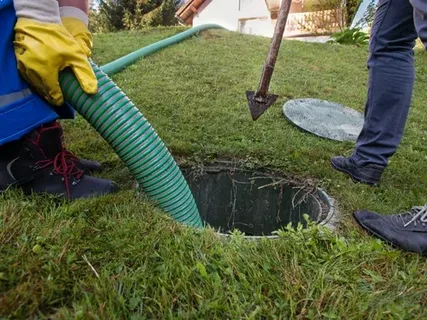
Most households should schedule septic pumping every three to five years. Family size, tank size, and daily water use all shift that timeline. A yearly visual check helps you catch small issues between pumpings. Keep heavy vehicles off the drain field, repair leaking fixtures, and never flush wipes or grease. Age matters too, so a sewer line camera inspection for older homes gives you a clear picture of what is left. Steady maintenance lowers the odds of emergency sewer septic repair and stretches the life of the system.
Conclusion
Your sewer line and septic system work quietly until they stop working at all. Regular checks, honest reporting, and early sewer septic repair near NEWPORT KY keep small problems from becoming expensive emergencies. Before you buy, sell, or renovate, book septic tank inspection services in Florence KY and ask for a sewer line camera inspection for older homes so nothing surprises you later. If you want to plan ahead, request a written estimate for septic drain field repair cost in Northern Kentucky. Northern Kentucky Inspections Inc can walk you through the findings step by step.
Frequently Asked Questions
1. How long does a sewer and septic inspection take? Most inspections take one to two hours, depending on tank access and property size. A camera run through the main line usually adds thirty minutes. You receive photos, video, and a written summary the same day or the next morning. Larger properties with multiple tanks may need extra time.
2. Can tree roots really damage a sewer line? Yes, and roots are one of the most common causes of blockage in older Florence homes. Roots find tiny cracks or loose joints, then grow inside the pipe and trap waste. A camera inspection shows exactly where the intrusion starts. Early cutting or relining prevents a full pipe collapse.
3. How do I know if the drain field has failed? Soggy ground, standing water, and strong odors above the field are the clearest signs. Drains inside the home may also slow down at the same time. A failing field usually means the soil can no longer absorb wastewater. An inspection confirms whether repair or replacement makes more sense.
4. Should I get an inspection before buying a home? Absolutely. The septic tank and sewer line are hidden systems, and repairs after closing become your responsibility. A pre-purchase inspection reveals the condition of both, along with the likely remaining lifespan. Buyers often use those findings to renegotiate price or request repairs.
5. What should I avoid putting down the drain? Skip grease, coffee grounds, paint, harsh chemicals, and so-called flushable wipes. These items either clog the pipe or kill the bacteria that break down waste inside the tank. Use septic-safe cleaners whenever possible. Small daily habits protect the system far more than any single repair.