Site Preparation Services in Taylor Mill, KY help with clearing, grading, drainage, soil leveling, access, foundation readiness, and construction planning.
Construction problems can begin before concrete is poured or framing starts. Uneven ground, poor drainage, leftover debris, unstable soil, and difficult equipment access can slow a project and create problems for the work that follows. Proper site preparation creates a cleaner, more workable starting point for residential and commercial construction. Northern Kentucky Inspections Inc provides excavation, grading, drainage, land preparation, and related property services throughout Northern Kentucky.
A construction-ready site requires more than moving a few piles of dirt. Existing vegetation, soil levels, drainage patterns, access routes, foundation areas, and the final use of the property all need to be considered. Planning these details before heavy construction begins can reduce unnecessary excavation changes later. It also gives property owners and contractors a clearer understanding of how the land should be shaped before foundations, driveways, utilities, or other improvements are installed.
Evaluate the Property Before Heavy Equipment Arrives
The company’s dedicated Site Preparation Services include land clearing, debris removal, grading, excavation, soil leveling, drainage correction, driveway preparation, and foundation or building-pad preparation.
Every property has different conditions. One lot may need vegetation and debris removed before grading can begin, while another may already be clear but have uneven elevations or poor drainage.
Property owners should identify the planned building footprint, driveway location, utility routes, drainage areas, and any existing structures that need protection.
Early site evaluation also helps determine where equipment can safely enter and operate. Waiting until machinery is already on the property to make these decisions can create unnecessary delays.
Clear Obstacles Before Grading Begins
Construction sites often contain materials that interfere with grading or excavation.
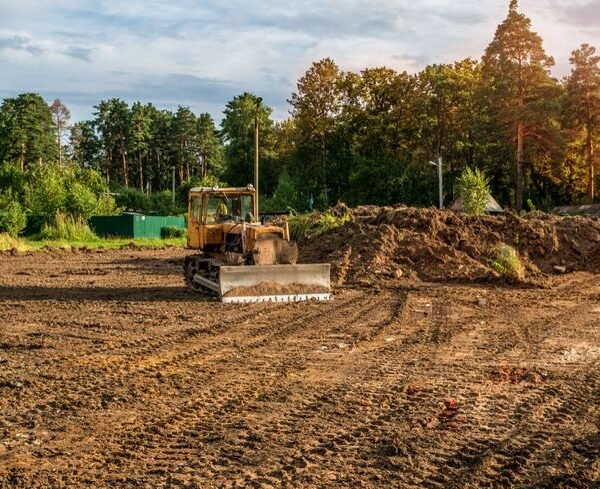
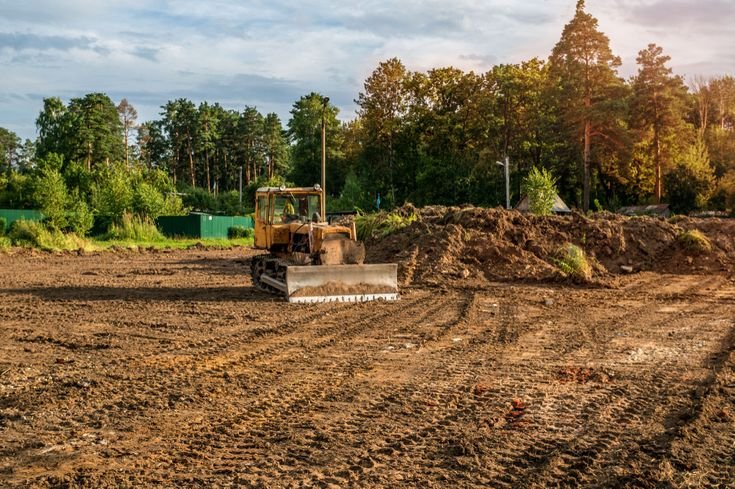
Brush, small trees, old landscaping, leftover construction debris, broken concrete, and other obstructions can prevent equipment from working efficiently. Removing these materials first gives operators better access to the areas that need reshaping.
Clearing should still be selective. Property owners may want to preserve mature trees, fencing, landscaping, or other features outside the construction zone.
Those areas should be identified before work starts so they are not accidentally disturbed.
A clean work area also makes existing ground conditions easier to see, allowing drainage problems, low spots, and uneven terrain to be identified before final grading decisions are made.
Establish the Right Elevation for Future Construction
Site preparation involves creating appropriate elevations for the project that will follow.
Building pads, driveways, parking areas, landscaping zones, and utility trenches may all require different finished heights. These elevations need to work together so water can move appropriately across the property.
Simply making the lot look flat is not always the goal. Some areas require intentional slope for drainage.
Property owners planning site preparation in Taylor Mill, KY should consider where the finished building, driveway, and surrounding yard will sit before major earthmoving begins.
Accurate elevation planning provides a stronger foundation for later construction stages.
Address Drainage Before the Site Is Covered
Water movement should be considered early in any land-development project.
A low area that holds water before construction may continue causing problems after a building or driveway is installed. Likewise, reshaping the property without considering runoff can unintentionally direct water toward future structures.
Site preparation may involve correcting slopes, reshaping low areas, or coordinating drainage improvements before construction continues.
Property owners should observe where water naturally travels after rain and identify areas where it pools.
Correcting these conditions while heavy equipment is already working on the site can be easier than trying to solve drainage problems after landscaping, pavement, or structures are finished.
Prepare Stable Building and Foundation Areas
Foundations depend on the ground beneath them.
Loose fill, disturbed soil, organic material, or uneven surfaces can interfere with preparation for future structural work. The building area should be cleared and shaped according to project requirements before foundation work begins.
Site preparation may involve excavation, leveling, removal of unsuitable surface material, or preparing a building pad.
The exact work depends on the planned structure and existing property conditions.
Property owners should coordinate site preparation with the builder or foundation contractor so the excavation depth and finished elevations match the next stage of construction.
Good communication between trades reduces the risk of one contractor preparing an area that another contractor must later reshape.
Plan Equipment Access Before Work Starts
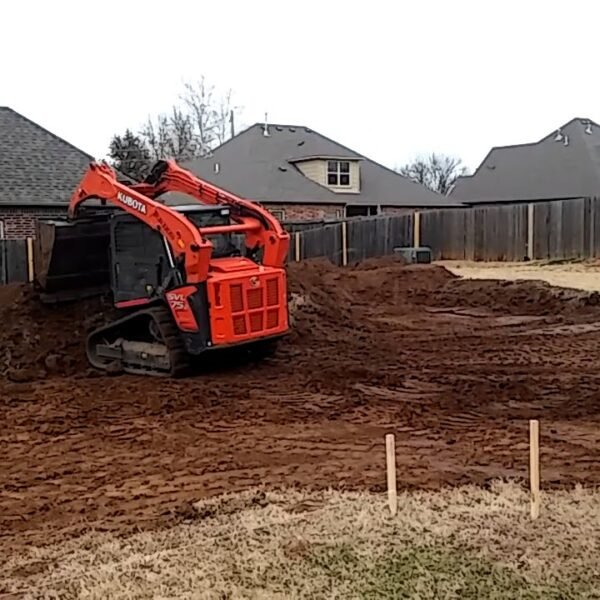
Excavators, loaders, trucks, and other construction equipment need enough room to enter, operate, and leave the property.
Narrow driveways, steep slopes, soft ground, neighboring structures, fences, overhead obstacles, and landscaping can all affect access.
Before work begins, property owners should determine where equipment will enter and where excavated material or debris will be temporarily placed.
Truck access is especially important when soil or debris needs to leave the property. Poorly planned access can create unnecessary movement across areas that were not intended to be disturbed.
Planning equipment routes also helps protect finished driveways, lawns, and neighboring property.
Keep Excavated Soil Organized
Site preparation can produce a significant amount of soil.
Some soil may be useful later for grading or filling low areas, while excess material may need to be hauled away. Deciding what will happen to excavated soil before digging begins can keep the site more organized.
Large dirt piles can block equipment routes and take up valuable working space if they are placed without a plan.
The type and condition of the material also matter. Soil containing debris or unsuitable material may need different handling from clean fill intended for reuse.
Coordinating earthmoving with the final grading plan can reduce unnecessary handling and repeated movement of the same material.
Prepare Driveways and Parking Areas From the Ground Up
A driveway or parking area depends on the surface beneath the final material.
Weak soil, poor drainage, or an uneven base can affect how well the completed area performs. Site preparation should establish the required shape and base conditions before gravel, concrete, asphalt, or another finished surface is installed.
Water should also be directed away from areas where vehicle traffic will occur.
Low spots can collect rainwater and may lead to erosion or recurring maintenance problems.
Preparing the area correctly before the final surface goes down is easier than attempting to correct major grade problems after the driveway or parking lot has already been completed.
Coordinate Utility Work With Site Preparation
Many construction projects require underground utilities.
Water lines, sewer lines, gas lines, electrical conduits, or drainage piping may need trenches that cross prepared areas. If utility routes are not considered early, completed grading may have to be disturbed again.
Property owners and contractors should identify planned utility locations before final site preparation whenever possible.
The sequence may vary depending on the project, but coordination helps prevent unnecessary digging.
Northern Kentucky Inspections Inc also provides trenching and utility-related excavation services, making underground work an important part of broader site planning.
Utility routes should be clearly understood before permanent surfaces or structures limit access.
Protect Areas That Are Not Part of the Project
Heavy construction activity can affect more property than the actual building footprint.
Equipment may compact lawns, damage landscaping, disturb fences, or create ruts when travel routes are not clearly defined.
Property owners should identify areas that need protection before equipment arrives.
Trees deserve particular attention. Root systems can extend farther than the visible canopy, and repeated heavy-equipment traffic near them may affect surrounding soil.
Clear project boundaries help operators understand where work should occur and which areas should remain undisturbed.
A site can be properly prepared without treating the entire property as a construction zone.
Consider Erosion During Longer Projects
Bare soil can be vulnerable to erosion, especially when construction lasts through periods of heavy rain.
Water moving across disturbed ground can carry soil into low areas, drainage paths, driveways, or neighboring property.
Temporary site conditions should therefore be considered along with the finished grading plan.
Property owners should watch for new channels forming in exposed soil after storms. These patterns can reveal where runoff is moving before permanent landscaping is installed.
Correcting obvious erosion early can help preserve completed grading and keep the site more manageable during later construction stages.
Recheck the Grade Before Moving to the Next Phase
Site conditions can change as excavation and earthmoving progress.
Before foundations, pavement, landscaping, or other permanent improvements begin, the prepared area should be checked again to confirm that elevations and drainage still match the project plan.
Equipment movement or additional excavation can sometimes alter areas that were previously finished.
A final review also provides an opportunity to remove leftover debris, correct low areas, and confirm that construction access remains workable.
Property owners seeking construction site preparation in Independence, KY can benefit from treating site preparation as a complete phase rather than assuming the work is finished as soon as major excavation stops.
Plan for the Finished Property, Not Just Construction Day
Site preparation should support how the property will function after construction is complete.
Future landscaping, driveways, patios, drainage paths, parking, utility access, and maintenance areas all deserve consideration.
For example, a temporary equipment route may later become part of the yard, so unnecessary soil damage in that area can create more restoration work.
The finished property also needs water to move away from structures and usable outdoor areas.
Thinking ahead helps ensure that site preparation supports both construction and the long-term layout of the property rather than solving only the immediate need to begin building.
Conclusion
Site Preparation Services create the groundwork for construction by addressing clearing, excavation, soil movement, grading, drainage, equipment access, and building-area readiness before permanent improvements begin.
In Taylor Mill, property owners working with uneven or difficult lots can benefit from identifying drainage paths, building elevations, and equipment routes before major earthmoving starts. In Independence, the same planning approach can help coordinate utilities, driveways, foundation areas, and final grading without repeatedly disturbing completed work.
Northern Kentucky Inspections Inc provides site preparation alongside excavation, grading, trenching, drainage, and related property services. Preparing the land around the complete construction plan can create a cleaner worksite and make later project stages easier to coordinate.
Frequently Asked Questions
What is included in Site Preparation Services?
The service can include land clearing, debris removal, excavation, rough and finish grading, soil leveling, drainage correction, driveway preparation, and building-pad preparation depending on the property and project.
Why is grading important before construction?
Grading establishes appropriate elevations and helps control how water moves across the property. Poor grading can contribute to standing water, erosion, and drainage problems around future structures.
Should drainage be planned before construction starts?
Yes. Identifying runoff patterns and low areas before permanent structures, pavement, or landscaping are installed makes it easier to incorporate drainage into the overall site plan.
Can excavated soil stay on the property?
Some soil may be suitable for reuse during grading or landscaping, while excess or unsuitable material may need removal. The decision depends on project requirements and soil conditions.
When should utility trenches be coordinated with site preparation?
Utility routes should be planned as early as practical so completed grading does not need to be repeatedly disturbed for water, sewer, gas, electrical, or drainage installations.
What should property owners do before site preparation begins?
Confirm the planned construction layout, identify areas that need protection, discuss equipment access, determine likely utility routes, and communicate known drainage or soil concerns before work starts.