Moisture problems can develop behind walls, under flooring, around windows, or in basements before homeowners notice obvious damage. Northern Kentucky Inspections Inc approaches property inspections by looking at visible conditions, moisture concerns, ventilation, and areas where mold may be more likely to develop. Homeowners considering mold inspection services in Independence, KY should understand what an inspection can reveal and when additional testing may make sense.
In Erlanger, KY, people searching for mold and radon inspection services near me may also want to evaluate indoor air concerns beyond visible mold. Mold and radon involve different inspection methods, but both can affect how homeowners understand conditions inside a property.
A careful inspection starts with the building, its moisture history, and the areas where problems are most likely to occur.
What Mold Inspection Services Should Evaluate
Professional mold inspection services in Independence, KY should focus on more than visible discoloration.
Mold growth often connects to moisture. That means the inspection should also consider where water may be entering, collecting, or failing to dry properly.
Common areas of concern include:
- Basements
- Crawl spaces
- Attics
- Bathrooms
- Kitchens
- Areas around plumbing
- Window and door openings
- HVAC-related spaces
- Walls near previous leaks
- Flooring near water damage
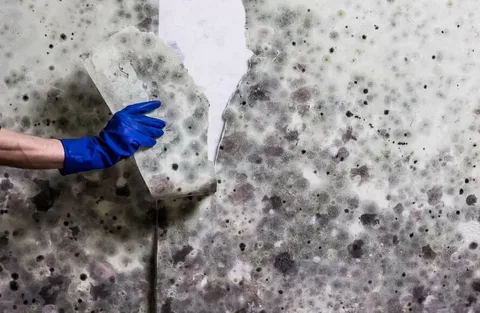
An inspector may also look for staining, musty odors, condensation, damaged materials, and signs of past moisture problems.
Mold Inspection Services Focus on Moisture First
Mold inspection services become more useful when the inspection identifies why an area stays damp.
Cleaning visible growth without addressing the source of moisture may allow the problem to return.
Common moisture sources can include plumbing leaks, roof leaks, condensation, poor ventilation, exterior drainage issues, or water intrusion around the foundation.
Understanding the moisture source helps homeowners decide what should happen next.
Mold and Radon Inspection Services Near Me in Erlanger, KY
Homeowners searching for mold and radon inspection services near me in Erlanger, KY are often dealing with two separate indoor environmental concerns.
Mold inspections focus on moisture, visible conditions, damaged materials, and areas where fungal growth may exist.
Radon testing measures a naturally occurring radioactive gas that can enter buildings from the soil below.
The two services do not test for the same thing, but they can both provide useful information about conditions inside a home.
Mold Inspection vs. Radon Testing
The goals and methods differ.
| Service | Main Purpose | What It Evaluates |
| Mold Inspection | Find signs of mold and moisture | Visible growth, odors, damp areas |
| Moisture Assessment | Identify conditions that support mold | Leaks, condensation, wet materials |
| Mold Sampling | Collect samples when appropriate | Selected air or surface conditions |
| Radon Testing | Measure radon levels | Indoor radon concentration |
| Combined Inspection | Review multiple concerns | Mold-related conditions and radon levels |
Not every mold inspection requires sampling. The decision depends on the property and what the inspector finds.
Signs That May Justify a Mold Inspection
Visible mold is one reason to schedule an inspection, but it is not the only one.
Homeowners may also notice:
- Persistent musty odors
- Water stains
- Damp drywall
- Peeling paint
- Condensation
- Recurring basement moisture
- Past plumbing leaks
- Roof leak history
- Warped flooring
- Discoloration around vents
A history of water damage can also matter even when surfaces appear dry at the time of inspection.
Mold and Radon Inspections Serve Different Purposes
Mold and Radon Inspections can be useful when homeowners want a broader look at indoor property conditions.
Mold often develops where moisture and organic materials remain together long enough for growth to occur.
Radon is different. It has no smell, color, or visible sign that homeowners can use to identify it.
That means visual inspection alone cannot determine indoor radon levels. Testing equipment needs to measure the concentration over a specific period.
Understanding this difference helps homeowners avoid expecting one inspection method to answer both questions.
Common Mold Inspection Mistakes to Avoid
One mistake is assuming every dark spot is mold.
Discoloration can come from several sources, so the surrounding moisture conditions matter.
Another mistake is focusing only on visible surfaces.
A wall may look clean while moisture exists behind it due to a leak or condensation problem.
Homeowners should also avoid assuming that cleaning alone solves the issue. If moisture continues, the same area may develop problems again.
Another common mistake is waiting for widespread visible growth before investigating repeated odors, leaks, or dampness.
What Happens During a Practical Mold Assessment
A mold assessment usually begins with the property’s history.
The inspector may ask about past leaks, flooding, plumbing repairs, roof problems, or areas that regularly feel damp.
The inspection can then focus on likely problem areas.
Useful steps may include:
- Review known moisture history.
- Check visible surfaces.
- Inspect basements, attics, and crawl spaces.
- Look around plumbing fixtures.
- Check areas around windows and doors.
- Review ventilation conditions.
- Identify damaged or damp materials.
- Decide whether sampling is appropriate.
The goal is to connect visible conditions with possible moisture sources.
When Mold Sampling May Be Useful
Sampling does not automatically need to be part of every inspection.
If visible growth and the moisture source are already clear, homeowners may already have enough information to plan corrective work.
Sampling may become more useful when the source of an odor or suspected growth remains unclear, when documentation is needed, or when different areas require comparison.
The inspector should explain why sampling would provide useful information rather than treating it as a routine step in every property.
Best Practices for Reducing Future Mold Risk
Moisture control plays the largest role in reducing mold risk.
Homeowners should repair leaks promptly and avoid allowing wet materials to remain damp for long periods.
Good practices include:
- Use bathroom and kitchen ventilation.
- Keep gutters and exterior drainage working properly.
- Watch basements for recurring dampness.
- Address plumbing leaks quickly.
- Monitor condensation around windows and HVAC equipment.
- Dry wet materials as soon as possible.
- Maintain reasonable indoor humidity.
These habits cannot prevent every problem, but they reduce conditions that support mold growth.
Why Radon Testing May Matter During Property Evaluations
Radon testing often makes sense during real estate transactions or when homeowners want more information about long-term indoor conditions.
Because radon cannot be seen or smelled, testing provides the only practical way to know the measured level inside the property.
Test placement, duration, and building conditions can influence results.
Homeowners should follow the test instructions carefully and avoid moving or disturbing testing equipment while measurements are underway.
Conclusion
Choosing mold and Radon Inspections means looking beyond visible spots and focusing on the moisture conditions that may support growth. Leaks, ventilation, condensation, past water damage, and hidden damp areas can all influence what an inspector finds.
For homeowners in Independence and Erlanger, Northern Kentucky Inspections Inc can evaluate mold-related concerns while also helping property owners understand when radon testing may be appropriate. A clear inspection helps separate visible symptoms from the conditions causing them and gives homeowners better information for the next step.
FAQ
What does a mold inspection usually include?
A mold inspection may include a review of moisture history, visible surfaces, basements, attics, crawl spaces, plumbing areas, ventilation, and signs of water damage.
Does every mold inspection require testing?
No. Sampling may be useful in some situations, but visible conditions and moisture sources can sometimes provide enough information without additional testing.
What is the difference between mold inspection and radon testing?
Mold inspection looks for moisture conditions and signs of fungal growth. Radon testing measures the concentration of radon gas inside the property.
Can mold grow without a visible leak?
Yes. Condensation, high humidity, hidden plumbing leaks, or moisture behind walls can support mold growth without an obvious active leak.
When should homeowners consider radon testing?
Radon testing may be useful during a home purchase, after major building changes, or when homeowners want to better understand indoor radon levels.