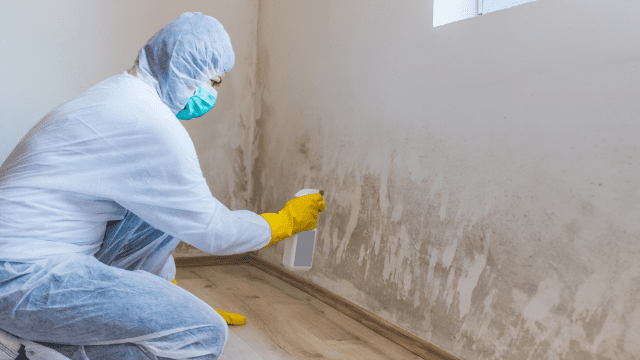
Get reliable mold and radon inspections in Florence, KY with certified testing, accurate results, and clear reports to help protect your property.
Hidden property concerns are not always visible during a normal walk-through. Mold can develop in areas affected by moisture, while radon is an invisible gas that cannot be identified through sight or smell. Northern Kentucky Inspections Inc. provides professional inspection and testing services designed to help homeowners identify these concerns and understand the condition of their property. The company offers mold testing, radon testing, plumbing and septic scoping, pest inspections, and other property-related services throughout Northern Kentucky.
A professional inspection can be particularly useful when a home has experienced water intrusion, persistent musty odors, visible staining, basement moisture, or other conditions associated with mold growth. Radon testing serves a different purpose because the gas requires specialized testing to determine whether it is present at elevated levels.
For homeowners buying, selling, maintaining, or renovating a property, reliable inspection information can provide a clearer understanding of potential environmental concerns and help guide the next steps.
Why Mold and Radon Testing Matters
Mold and radon Inspection present different inspection challenges. Mold is generally associated with moisture, while radon can enter a property from the ground without producing a noticeable odor or visible warning sign.
Northern Kentucky Inspections states that its certified inspectors use specialized equipment for mold and radon testing and provide detailed reports with results and recommendations. The company also identifies more than 30 years of inspection experience throughout Northern Kentucky.
Mold Can Develop in Hidden Areas
Mold may grow behind walls, under flooring, around plumbing, inside damp crawl spaces, or in other areas where moisture remains for an extended period. A property may therefore have a moisture-related concern even when there is limited visible growth.
Professional testing can help investigate suspected conditions and determine whether further evaluation or remediation should be considered.
Radon Requires Specialized Testing
Radon is different because it is colorless, odorless, and tasteless. A homeowner cannot reliably determine its presence through a visual inspection.
Testing provides actual information about radon levels in the property. If elevated levels are identified, the results can be used when discussing appropriate mitigation options with qualified professionals.
Common Reasons to Schedule an Inspection
Homeowners do not need to wait until a serious problem develops before considering mold or radon testing. Certain property conditions can justify professional evaluation.
Previous Water Damage
A roof leak, plumbing failure, flooding event, or other source of water intrusion can create conditions favorable to mold growth. Even after visible water has been removed, moisture can remain in building materials or concealed spaces.
Testing may be useful when there is concern that moisture-related growth has developed.
Musty Odors or Visible Growth
A persistent musty smell can indicate a moisture problem that deserves investigation. Visible discoloration or suspected mold growth can also be a reason to seek professional testing rather than attempting to determine the extent of the problem based only on appearance.
Buying a Property
Homebuyers often want as much information as possible before completing a purchase. Mold and radon testing can provide additional information that a standard visual assessment may not reveal.
This can be particularly relevant for basements, crawl spaces, older properties, homes with a history of water intrusion, or properties where environmental concerns have previously been reported.
Routine Property Evaluation
Testing can also be part of responsible property maintenance. Homeowners may choose to evaluate indoor environmental conditions when purchasing, remodeling, after significant water damage, or when unexplained concerns arise.
How Professional Mold Inspection Works
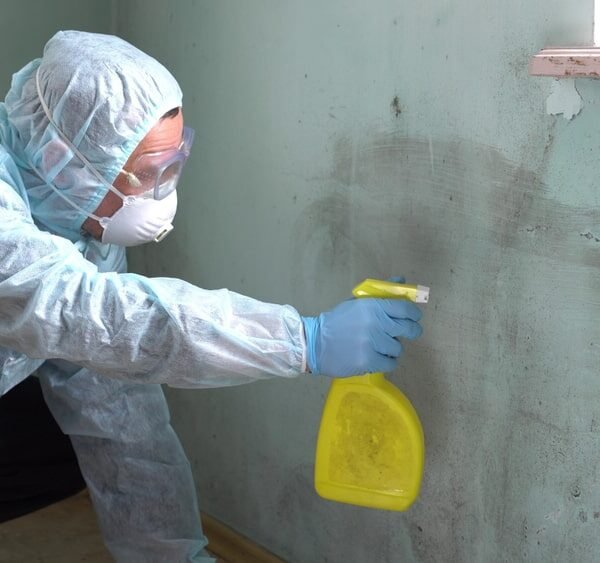
A professional mold inspection is intended to investigate suspected mold conditions and identify information that can help determine the appropriate next step.
Northern Kentucky Inspections describes its mold testing service as involving specialized equipment, sample collection, laboratory results, and detailed reporting.
Reviewing the Property
The inspection process begins with understanding the property’s condition and the reason for testing. Information about previous leaks, moisture problems, odors, visible growth, or building history can help direct the evaluation.
Areas with a higher likelihood of moisture exposure may receive particular attention.
Collecting Appropriate Samples
When testing is appropriate, samples can be collected from relevant areas according to the inspection requirements. The purpose is to obtain useful information that can be evaluated rather than relying solely on visual observations.
The exact testing approach can vary depending on the property and suspected conditions.
Understanding the Results
Laboratory findings and inspection observations should be considered together. A professional report can provide information about what was identified and what additional steps may be appropriate.
If remediation is recommended, property owners should work with qualified remediation professionals for the corrective work.
Professional Mold Inspection Services in Florence
Homeowners looking for mold inspection services in Florence can turn to Northern Kentucky Inspections for professional mold and radon testing. The company’s primary service information identifies Florence, KY as its base location and describes certified testing, specialized equipment, laboratory results, and detailed reporting.
Protecting Older and Newer Homes
Both older and newer properties can experience moisture-related concerns. Age alone does not determine whether mold may be present.
A newer property can experience water intrusion, plumbing leaks, construction moisture, or ventilation issues, while older properties may have a longer history of repairs or moisture exposure.
Professional testing focuses on the actual conditions found at the property rather than assuming that age guarantees a particular result.
Testing After Moisture Problems
If a property has experienced significant water intrusion, homeowners may want to know whether moisture-related mold growth has developed.
Testing can provide additional information when visible signs, odors, or a known moisture event create reasonable concern.
Home Mold Testing in Burlington
Property owners seeking home mold testing in Burlington can review Northern Kentucky Inspections’ Burlington service information. The company’s Burlington page specifically lists mold and radon inspections and explains that certified inspectors use advanced equipment to detect hidden mold growth and measure radon levels.
When Burlington Homeowners May Consider Testing
Testing may be appropriate after water damage, when musty odors persist, when visible growth is discovered, or when a property has conditions that raise concerns about indoor environmental quality.
Homebuyers may also consider testing as part of their property evaluation before completing a purchase.
Clear Reports Help With Decisions
Inspection results are most useful when property owners understand what they mean and what actions may be appropriate afterward.
Northern Kentucky Inspections emphasizes detailed reporting and recommendations. A clear report can help homeowners discuss potential remediation, mitigation, repairs, or additional investigation with the appropriate professionals.
Understanding Radon Inspection
Radon testing is important because the gas cannot be identified through normal visual observation. It can enter buildings from the surrounding soil and accumulate indoors under certain conditions.
Why Visual Inspection Is Not Enough
A clean, recently renovated, or well-maintained home can still have measurable radon levels. Paint, flooring, landscaping, and general appearance do not indicate whether radon is present.
Testing is therefore the practical way to obtain information about indoor radon levels.
What Testing Provides
Professional radon testing measures the concentration of radon under the selected testing conditions. The resulting information can help determine whether additional action should be considered.
If elevated levels are identified, property owners can discuss mitigation with qualified professionals who specialize in radon reduction.
Testing During a Home Purchase
Radon testing can be especially useful for buyers because it provides information that cannot be obtained from a standard property walk-through.
Knowing the results before completing a transaction may give buyers a better understanding of the property and any additional questions that should be addressed.
What Makes a Good Inspection Report?
An inspection report should be useful, understandable, and based on the actual findings from the property.
Clear Findings
Homeowners should be able to understand what was inspected, what testing was performed, and what the results indicate.
Technical information is more useful when it is presented clearly enough for a property owner to make informed decisions.
Supporting Documentation
Depending on the inspection and testing performed, supporting information such as laboratory findings, observations, measurements, or photographs may help explain the results.
Documentation can also be useful when communicating with contractors, remediation professionals, real estate professionals, or property managers.
Practical Recommendations
A good report should distinguish between observations and recommended next steps. If further evaluation, remediation, mitigation, or repairs are warranted, the property owner should understand why those steps may be necessary.
Preparing for a Mold or Radon Inspection
Property owners can make an inspection easier by providing relevant information before the inspector arrives.
Share the Property History
Tell the inspector about previous flooding, plumbing leaks, roof leaks, basement moisture, musty odors, visible mold, or previous testing.
This information can help provide context for the inspection.
Identify Areas of Concern
If you have noticed a particular odor, stain, moisture problem, or other concern, point it out during the inspection.
Specific observations can help the inspector understand why testing was requested.
Keep Inspection Areas Accessible
Where practical, areas that may need to be evaluated should be accessible. Furniture, stored materials, or other obstacles can sometimes make inspection more difficult.
Keep Previous Reports Available
If the property has undergone previous mold, radon, moisture, or environmental testing, keeping those reports available can provide useful background information.
Preventing Moisture-Related Mold Problems
Testing can identify concerns, but moisture control remains an important part of mold prevention.
Address Leaks Quickly
Plumbing leaks, roof leaks, and water intrusion should be addressed promptly. Delayed repairs can allow moisture to remain in building materials.
Monitor Damp Areas
Basements, crawl spaces, bathrooms, utility areas, and locations around plumbing should be monitored for signs of excessive moisture.
Maintain Proper Ventilation
Bathrooms, kitchens, laundry areas, and other moisture-producing spaces benefit from appropriate ventilation.
Reducing excess indoor moisture can help create less favorable conditions for mold growth.
Respond to Water Damage
After significant water intrusion, drying affected materials promptly can help reduce the likelihood of secondary moisture-related problems.
If there is uncertainty about the extent of moisture or possible mold growth, professional evaluation can provide additional information.
Conclusion
Mold and radon require different approaches, but both demonstrate why property owners should not rely solely on what they can see or smell. Mold can develop in hidden moisture-affected areas, while radon requires specialized testing because it is invisible and odorless.
Professional inspections can provide useful information for homeowners, buyers, sellers, landlords, and property managers. Mold testing may help investigate suspected growth after water damage, persistent odors, or visible concerns. Radon testing provides measured information about indoor radon levels and can help determine whether mitigation should be discussed.
For properties in Florence and Burlington, choosing an experienced inspection company can make the testing process more organized and informative. Clear reports, appropriate testing methods, and professional guidance help property owners understand their findings and decide what should happen next.
Regular property maintenance also matters. Promptly addressing leaks, controlling moisture, monitoring damp areas, and investigating unusual odors or visible growth can help reduce the likelihood of larger problems.
When environmental concerns arise, professional testing provides information that can support better property decisions.
Frequently Asked Questions
1. Why should I have my home tested for mold?
Mold testing may be useful when a property has experienced water damage, persistent musty odors, visible suspected growth, or other moisture-related concerns. Testing can provide additional information about conditions that may not be obvious during a visual inspection.
2. Can I detect radon without professional testing?
No. Radon is colorless, odorless, and tasteless, so it cannot be reliably identified through normal observation. Testing is needed to determine radon levels.
3. Should I test for mold after water damage?
Testing may be worth considering when water damage was significant, moisture remained for an extended period, odors developed, or visible growth is suspected. A professional can help determine whether testing is appropriate for the circumstances.
4. Is radon testing useful when buying a home?
Yes. Radon testing can provide information that a standard home inspection or visual walk-through cannot provide. Buyers can use the results to discuss any necessary mitigation or additional evaluation.
5. What happens if mold is found during testing?
The appropriate response depends on the findings and the extent of the suspected problem. A qualified professional can explain the results and whether additional investigation or remediation should be considered.
6. Does Northern Kentucky Inspections provide mold and radon inspections?
Yes. Northern Kentucky Inspections Inc provides mold testing and radon inspection services using specialized equipment and detailed reporting. The company states that its inspectors are certified and have more than 30 years of experience.