Learn how plumbing and septic scoping in Villa Hills, KY can reveal hidden leaks, clogs, pipe damage, and system concerns before larger problems develop.
Plumbing and septic problems are not always visible from inside a home. A sink may drain normally while a buried pipe has deterioration, root intrusion, buildup, or another developing concern. Northern Kentucky Inspections Inc provides property inspection services throughout Northern Kentucky, including camera-based evaluation of plumbing and septic systems. Scoping allows an inspector to view areas of the piping that cannot be checked through a normal visual inspection, giving homeowners and buyers more information about conditions below floors, behind walls, or underground. For property owners in Villa Hills, Fort Wright, and nearby communities, this type of inspection can be useful during a property purchase, when recurring drainage problems appear, or when the condition of an older system is uncertain. This guide explains what plumbing and septic scoping involves, common problems cameras may reveal, when an inspection can be useful, and how property owners can use the findings to plan the next step.
What Plumbing and Septic Scoping Involves
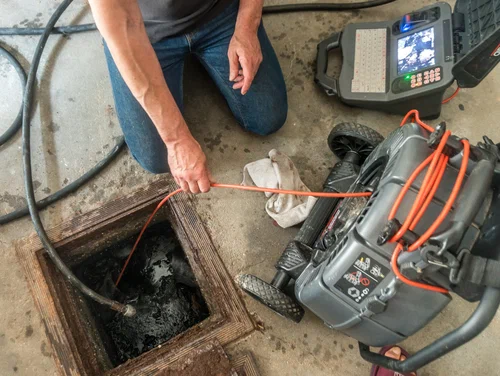
A plumbing or septic scope uses specialized camera equipment to examine accessible portions of pipes and drainage lines from the inside.
Viewing Hidden Pipe Conditions
Many important plumbing components are concealed beneath floors, inside walls, or underground. Opening finished surfaces simply to inspect them would be disruptive.
A camera can instead travel through an accessible pipe opening and provide a direct view of the interior condition.
Professional plumbing and septic system scoping can help identify blockages, leaks, root intrusion, deterioration, and other concerns that may not be obvious from fixtures alone.
Understanding What the Camera Shows
Camera footage can provide useful visual evidence, but the findings still require interpretation.
An inspector considers what is visible in the line, the location of the concern, and whether the condition appears likely to affect normal operation.
The purpose is to provide useful information that can guide maintenance, repair, or further evaluation.
Problems a Plumbing Camera May Identify
Pipe problems can develop gradually and remain unnoticed until drainage becomes poor or wastewater begins backing up.
Blockages and Buildup
Grease, debris, mineral deposits, foreign objects, or other material can restrict the inside of a pipe.
A camera inspection may help determine where a restriction is located and whether the line has a localized blockage or buildup extending through a larger section.
Knowing the location can make later cleaning or repair planning more focused.
Root Intrusion
Roots can enter underground piping through cracks, joints, or other openings.
Camera equipment may reveal roots inside a line and help show the area where intrusion has occurred.
Removing roots may restore flow temporarily, but repeated root entry can indicate that the pipe itself needs further attention.
Deteriorated Pipe Sections
Older plumbing may show corrosion, cracking, separation, deformation, or other physical changes.
Not every visible irregularity requires immediate replacement, but identifying it allows the property owner to understand the condition and discuss repair options when necessary.
When Should Property Owners Consider Scoping?
Plumbing and septic scoping can be useful in several situations rather than only after a major failure.
Before Buying a Property
A standard property walkthrough may not reveal what is happening inside underground plumbing.
Buyers may choose a camera inspection when they want more information about drain or sewer conditions before completing a purchase.
The findings can help them better understand whether the system appears functional or whether additional investigation should be considered.
When Problems Keep Returning
Repeated clogs, slow drains, gurgling, or backups can indicate that a restriction has not been fully addressed.
If the same problem returns after routine drain clearing, a camera may help locate a deeper issue.
Before Certain Repairs
When the source of a plumbing problem is unclear, inspection can provide information before excavation or larger repair work is planned.
Knowing where the concern is located can help reduce unnecessary exploratory work.
Plumbing and Septic Scoping in Villa Hills, KY
Homes in Villa Hills can contain plumbing systems of different ages, materials, layouts, and maintenance histories. A buyer or homeowner may not know the condition of buried lines simply by looking at visible fixtures.
Property owners considering plumbing and septic scoping in Villa Hills, KY can use camera inspection to look for hidden pipe blockages, deterioration, or other conditions that deserve attention.
Homebuyer Inspections
A plumbing scope can add another layer of information during the home-buying process.
Even when sinks, tubs, and toilets appear to function during a walkthrough, an interior pipe inspection may reveal conditions that would otherwise remain hidden.
Existing Home Maintenance
Current homeowners may also request scoping when they experience unexplained drainage changes or want to better understand an older plumbing system.
The inspection can help determine whether maintenance, cleaning, repair, or additional evaluation is appropriate.
Plumbing Inspections in Fort Wright, KY
Northern Kentucky Inspections also provides plumbing and septic evaluations for Fort Wright properties. The local service page specifically describes camera scoping used to identify leaks, clogs, or deterioration.
Homeowners looking for plumbing camera inspections in Fort Wright, KY may find the service particularly useful when symptoms suggest a problem deeper inside the drainage system.
Repeated Drainage Problems
If several fixtures are slow or wastewater backs up repeatedly, the problem may extend beyond an individual sink or tub.
A camera inspection can help locate where the restriction begins and provide additional information about the pipe surrounding it.
Unknown Plumbing History
Property owners do not always have records showing previous pipe repairs, replacements, or drainage problems.
Scoping can provide current visual information without relying entirely on the property’s maintenance history.
Camera Inspection Versus Basic Drain Cleaning
Drain cleaning and camera inspection serve different purposes.
Cleaning Addresses a Restriction
Mechanical cleaning or other drain-clearing methods are used to restore flow when a pipe is blocked.
If the cause is straightforward and the problem does not return, further inspection may not always be needed.
Scoping Provides Visual Information
Camera inspection is primarily diagnostic.
It allows the inspector to look for the location and nature of a problem rather than simply opening the pipe.
This can be valuable when clogs repeatedly return or when there is concern about pipe condition.
In some situations, inspection before and after cleaning can help show whether significant buildup remains or whether another issue is present.
Understanding Septic System Scoping
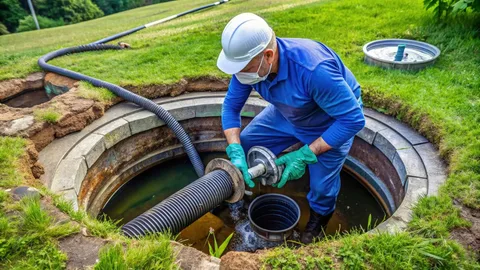
Properties with septic systems have additional underground components that deserve attention.
Identifying Possible Flow Problems
Wastewater needs an unobstructed path from the building toward the septic system.
Camera inspection of accessible piping may reveal restrictions or deterioration that interfere with normal flow.
Looking for Visible Damage
Cracks, separated connections, root intrusion, or other visible abnormalities can provide clues when a septic-related drainage problem is being investigated.
A camera does not replace every type of septic inspection, but it can provide useful information about accessible lines.
Connecting Findings With Other Symptoms
Slow drains, recurring backups, unusual odors, or other problems can have different causes.
Inspection findings should be considered alongside the symptoms occurring at the property rather than evaluated in isolation.
Preparing for a Plumbing Scope
Property owners can help make the inspection more efficient by providing useful background information.
Explain Existing Symptoms
Tell the inspector which fixtures are affected, how long the problem has existed, and whether previous drain cleaning or repairs have been performed.
Repeated problems in the same area can help guide the inspection.
Provide Known Repair History
If underground lines, septic components, or interior plumbing have been repaired previously, share that information when possible.
Past work may help explain transitions between different pipe materials or unusual sections visible during the inspection.
Ask About Access
Camera inspection requires a suitable access point into the plumbing system.
The inspector can explain which lines can be scoped and whether access limitations affect the inspection.
Using Inspection Results to Plan the Next Step
The value of a plumbing scope comes from understanding what the findings mean.
Review the Location of the Problem
Ask where a blockage, damaged section, root intrusion, or other concern appears to be located.
Knowing the approximate area can help when obtaining repair or maintenance recommendations.
Distinguish Maintenance From Repair
Some findings may indicate buildup that can be cleaned, while others may show physical pipe damage requiring further evaluation.
Separating these situations helps property owners avoid treating structural problems as routine clogs.
Keep Inspection Information
Reports, notes, or available camera findings can be useful when discussing the issue with a plumber, septic professional, or contractor.
They may also provide a reference if similar symptoms occur later.
Conclusion
Plumbing and septic system scoping gives property owners a way to see inside lines that would otherwise remain hidden. Camera equipment can help identify blockages, root intrusion, deterioration, and other conditions without immediately opening walls or excavating underground piping.
For homeowners and buyers in Villa Hills and Fort Wright, scoping can be useful before purchasing a property, when recurring drainage problems develop, or when the condition of older plumbing is uncertain.
The inspection does not automatically mean that repairs are needed. Its purpose is to provide clearer information about the system so property owners can make better-informed decisions. When concerns are found, the results can help guide the next step, whether that involves cleaning, monitoring, further evaluation, or professional repair.
Frequently Asked Questions
What is a plumbing camera inspection?
A plumbing camera inspection uses specialized video equipment inserted into an accessible pipe to view interior conditions such as blockages, roots, deterioration, or other visible concerns.
Can a camera inspection find the cause of recurring clogs?
It may help identify buildup, root intrusion, damaged sections, or other conditions contributing to repeated blockages. The findings can guide further cleaning or repair decisions.
Should I get plumbing scoping before buying a home?
Buyers may choose scoping when they want more information about underground or concealed plumbing that cannot be evaluated through a basic visual inspection.
Does plumbing scoping repair the problem?
No. Scoping is an inspection method. If a blockage, damaged pipe, or another concern is discovered, separate cleaning, repair, or additional evaluation may be needed.
Can septic lines be inspected with a camera?
Accessible piping associated with a septic system may be evaluated using camera equipment. The exact scope depends on system configuration and available access points.
When should I consider another plumbing camera inspection?
Consider another evaluation when recurring clogs, backups, slow drainage, or other unexplained symptoms appear, especially if previous maintenance has not solved the problem.