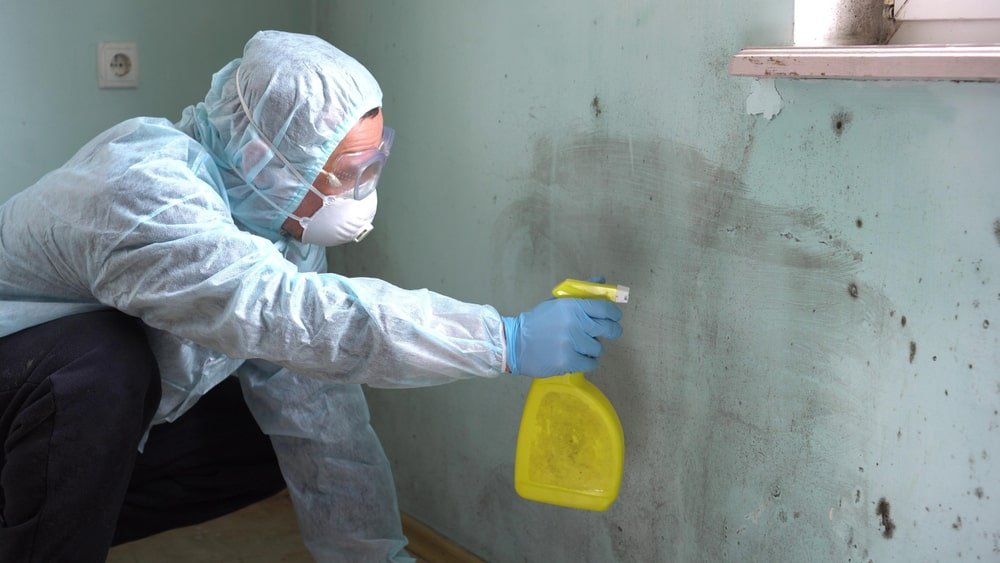
Learn how mold and radon inspections in Elsmere, KY can identify hidden property concerns, support informed decisions, and provide clearer testing results.
Some property concerns are easy to notice, while others can remain hidden behind walls, beneath flooring, in basements, crawl spaces, or other less visible areas. Northern Kentucky Inspections Inc provides property inspection services throughout Northern Kentucky, including mold and radon inspections, plumbing and septic evaluations, and pest inspections. Mold concerns are often connected with excess moisture, previous leaks, condensation, or water intrusion, while radon cannot be identified simply by looking around a property. Proper testing provides information that homeowners, buyers, sellers, and property managers can use when deciding whether additional evaluation or corrective work is needed. For properties in Elsmere, Alexandria, and nearby communities, an inspection can be especially useful after water-related problems, during a real estate transaction, or when there are concerns about hidden conditions. This guide explains mold inspections, radon testing, common warning signs, testing procedures, moisture evaluation, and what property owners should consider after receiving inspection results.
Understanding Mold Inspections
Mold inspection begins with evaluating conditions that may support unwanted growth rather than simply looking for visible discoloration.
Visible and Hidden Areas
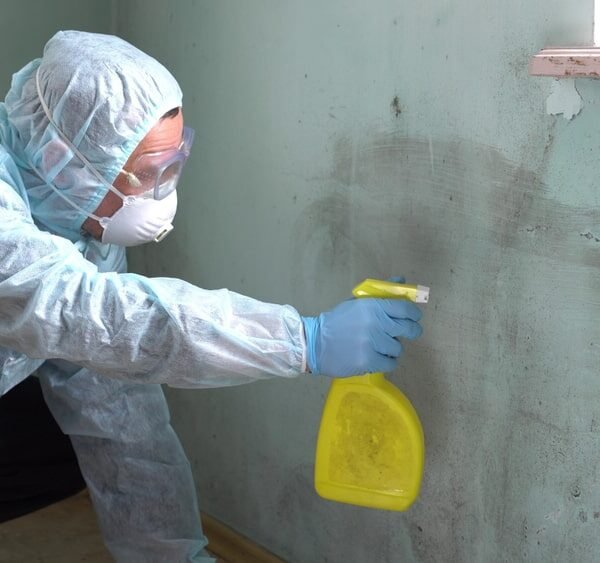
Mold may appear on walls, ceilings, wood, drywall, or other materials where moisture has been present.
However, not every affected area is immediately visible. Plumbing leaks, roof leaks, damp basements, condensation, or previous water damage can create conditions behind finished surfaces.
A professional mold and radon inspection can help identify visible concerns, collect samples when appropriate, perform testing, and provide documented findings for the property owner.
Moisture as an Important Clue
Moisture is often one of the most useful indicators during a mold-related evaluation.
An inspector may pay attention to staining, damp materials, plumbing areas, basement walls, crawl spaces, bathrooms, and other locations where moisture may collect.
Finding the moisture source is important because cleaning a visible area without correcting the condition that allowed it to develop may not solve the underlying problem.
What Radon Testing Does
Radon testing is different from a visual property inspection because radon cannot be reliably identified through sight or smell.
Measuring Indoor Radon Levels
Testing equipment is used to measure radon in the indoor environment over a specified testing period.
The equipment should remain in the proper location and be used according to the testing procedure so the results reflect the property conditions as accurately as possible.
Why Testing Is Necessary
A home can appear well maintained while still requiring radon testing.
Visual inspection cannot determine the concentration of radon inside a property.
For this reason, testing provides more useful information than trying to judge risk based on a building’s age, appearance, neighborhood, or maintenance condition.
When Mold Inspection May Be Helpful
Property owners do not always need to wait until a large visible area appears before requesting an evaluation.
After Water Damage
A leaking pipe, roof problem, appliance leak, foundation moisture issue, or flooding event can introduce water into building materials.
Even after the visible water is removed, affected areas should be monitored.
An inspection may help identify whether additional moisture-related concerns are present.
Persistent Musty Odors
Unusual odors do not prove that mold is present, but they can justify investigating areas that are difficult to see.
Basements, cabinets, wall cavities, and spaces around plumbing are common places to check when an odor repeatedly returns.
Visible Discoloration
Spots or staining on walls, ceilings, trim, or other materials may deserve evaluation, especially when accompanied by moisture.
An inspector can help document the condition and determine whether sampling or further testing is appropriate.
Mold & Radon Inspections in Elsmere, KY
Northern Kentucky Inspections specifically lists mold and radon inspections on its Elsmere location page, including testing and reporting for residential and commercial properties.
Property owners considering mold and radon inspections in Elsmere, KY may use these services when buying a property, investigating moisture concerns, or checking conditions in an existing home or business.
Home Purchase Inspections
Real estate transactions can be a useful time to evaluate conditions that are not obvious during a basic walkthrough.
A buyer may notice fresh paint, repaired drywall, or a finished basement without knowing whether the property has experienced previous water intrusion.
Inspection results can provide additional information before closing.
Existing Home Concerns
Homeowners may request testing when they notice recurring moisture, stains, odors, or previous leak areas.
The goal should be to understand the condition rather than assume every mark or odor has the same cause.
A clear inspection report can help guide the next step.
Mold and Radon Testing in Alexandria, KY
The Alexandria location page also supports mold and radon inspection services using testing methods designed to identify conditions that may not be visible during normal property use.
Homeowners considering mold and radon testing in Alexandria, KY should think about both the current property condition and any history of leaks, moisture, or previous repairs.
Basement and Lower-Level Areas
Basements and lower levels deserve attention because they can experience moisture from plumbing, drainage, foundation conditions, or condensation.
Finished basements may conceal sections of wall or flooring, making visual inspection more limited.
Testing and moisture evaluation can provide additional information when concerns exist.
Bathrooms and Plumbing Areas
Bathrooms, kitchens, laundry areas, and spaces around water heaters or plumbing fixtures regularly handle moisture.
Loose connections, small leaks, or inadequate drying can create damp areas that are not immediately noticed.
These locations are often useful starting points during an inspection.
What Happens During a Mold Inspection?
The exact process depends on the property and the concerns reported by the owner.
Reviewing Property History
The inspector may ask about known leaks, flooding, plumbing repairs, roof issues, odors, or previous moisture problems.
Providing this history can help focus the inspection on areas that deserve closer attention.
Visual Evaluation
The inspector examines accessible areas for visible staining, moisture effects, suspicious growth, and conditions that may support mold.
Basements, bathrooms, utility areas, walls, ceilings, and areas around plumbing may receive additional attention depending on the property.
Sampling and Reporting
When sampling is appropriate, material or air samples may be collected for analysis.
Results can then be documented in a report that explains what was found and which areas may need additional attention.
The report should be read carefully rather than focusing only on a single number or term.
Preparing for Radon Testing
Good testing conditions support more meaningful results.
Follow Testing Instructions
Property owners should follow the inspector’s instructions regarding doors, windows, HVAC operation, and the testing device.
Moving or interfering with the equipment can affect the test.
Choose an Appropriate Testing Location
The testing device should be positioned where it can collect useful information about the indoor environment.
The inspector determines placement based on the testing method and property layout.
Avoid Disturbing the Equipment
Once testing begins, the device should remain undisturbed until the testing period is complete.
Property occupants should understand where the equipment is located so it is not accidentally moved.
Mold Testing Is Not the Same as Mold Removal
Inspection and remediation are separate stages.
Inspection Identifies Conditions
The inspection helps determine whether visible concerns, moisture, or test results indicate a problem that requires attention.
It provides information rather than removing affected materials.
Remediation Addresses the Problem
If mold-related concerns are confirmed, separate corrective work may be needed.
That work can include addressing the moisture source, removing affected materials, cleaning appropriate surfaces, or completing repairs depending on the specific condition.
Correcting the moisture problem is an important part of preventing the same issue from returning.
Using Inspection Results Correctly
Inspection reports are most helpful when property owners understand what the findings actually mean.
Review Locations Carefully
A report should identify where concerns were observed or where samples were collected.
Knowing the location helps determine whether plumbing, drainage, roofing, ventilation, or another building condition needs attention.
Separate Findings From Assumptions
Not every stain proves active mold growth, and not every moisture problem affects the entire property.
Likewise, radon results should be interpreted based on the test rather than assumptions about neighboring homes.
Property-specific results provide the best starting point for further decisions.
Ask What the Next Step Should Be
If the report identifies a concern, ask whether additional testing, repair, mitigation, remediation, or monitoring is appropriate.
The response should be based on the actual findings rather than a one-size-fits-all recommendation.
Choosing a Mold and Radon Inspector
Property owners should understand what the inspection includes before scheduling service.
Ask About the Testing Process
Find out whether the inspection includes visual evaluation, sampling, radon measurement, moisture assessment, reporting, or other specific steps.
Knowing the scope helps set accurate expectations.
Discuss Known Property Problems
Tell the inspector about previous water damage, leaks, basement moisture, repairs, or unusual odors.
This background can help focus attention on relevant areas.
Request Clear Reporting
A useful report should identify findings in understandable language and explain where concerns were observed.
Property owners should be able to use the information when discussing repairs or additional services.
Conclusion
Mold and radon inspections can provide important information about property conditions that are not always visible during everyday use. Mold-related concerns are often connected with moisture, while radon requires testing because it cannot be identified through a visual inspection.
For homeowners, buyers, sellers, and property managers in Elsmere and Alexandria, testing can be useful after water damage, during real estate transactions, or when recurring moisture, staining, or odors create uncertainty.
The inspection is only the diagnostic stage. If testing identifies a concern, the next step should address the specific finding, whether that involves correcting a leak, improving moisture control, arranging remediation, or discussing radon mitigation.
Clear testing procedures, careful property evaluation, and understandable reporting can help property owners make decisions based on documented conditions rather than guesswork.
Frequently Asked Questions
What is included in a mold inspection?
A mold inspection may include a visual evaluation, review of moisture-related conditions, sampling when appropriate, and a report describing observed findings and test results.
Can mold be present if I cannot see it?
Yes. Some affected areas may be hidden behind walls, beneath flooring, around plumbing, or in other locations that are not easily visible.
Can I tell if a home has radon without testing?
No. Radon cannot be reliably identified by sight or smell, so testing is required to measure indoor levels.
When should I consider mold testing?
Testing may be useful after water damage, recurring leaks, persistent moisture, visible suspicious growth, unusual odors, or during certain property transactions.
Does a mold inspection remove mold?
No. Inspection and testing identify conditions. If corrective work is needed, remediation or repair is handled separately based on the findings.
What should I do after receiving inspection results?
Review where the findings occurred, ask what they mean, identify any moisture or building issues connected with them, and determine whether repair, remediation, mitigation, or further testing is recommended.