Many homeowners believe that if they cannot see mold, it is not there. Unfortunately, hidden mold often grows in places that are difficult to inspect, especially in basements. A basement may look clean on the surface while moisture quietly creates the perfect environment for mold behind walls, under flooring, or around foundation cracks.
At Northern Kentucky Inspections, we have seen how hidden moisture problems can develop into costly repairs when they are left unnoticed. Homeowners in Northern Kentucky often underestimate how local weather patterns, seasonal humidity, and basement construction contribute to mold growth. Understanding these risks early can help protect both your property and your family’s health.
If you are searching for Mold inspection services in Florence, KY, knowing why homes in this area are especially vulnerable is the first step toward preventing long-term damage. While mold is the main concern, many homeowners also schedule Radon inspection services in Burlington KY because both issues commonly affect homes built on similar soil and foundation conditions throughout Northern Kentucky.
Why Basements in Florence, KY Are More Vulnerable to Hidden Mold
Not every basement develops mold, but Florence presents several environmental conditions that increase the chances. The region experiences humid summers, frequent rainfall throughout the year, and seasonal temperature swings. Together, these factors create moisture that easily finds its way into below-grade living spaces.
Basements naturally stay cooler than the rest of the house. When warm, humid outdoor air enters through windows, doors, or small foundation openings, condensation forms on cooler concrete walls and floors. Even a small amount of moisture can support mold growth if it remains trapped for several days.
Homes with poor drainage, aging waterproofing systems, or clogged gutters are even more likely to experience hidden moisture. Water does not always enter as visible flooding. Sometimes it slowly seeps through foundation walls, leaving damp areas that homeowners rarely notice until mold has already spread.
Common Places Hidden Mold Grows
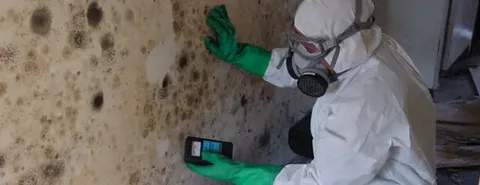
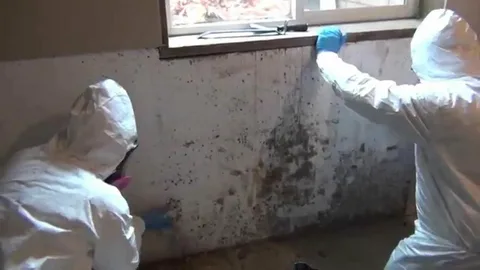
One of the biggest challenges with mold is that it rarely grows where people can easily see it. By the time stains appear on walls or ceilings, the problem may already be widespread.
Some of the most common hiding places include:
- Behind finished basement walls
- Under carpet and padding
- Beneath laminate or vinyl flooring
- Around sump pump systems
- Near washing machines and water heaters
- Around HVAC ductwork
- Behind stored furniture and shelving
- Inside ceiling cavities
- Around foundation cracks
- Under insulation
These hidden spaces often remain undisturbed for months or even years, allowing mold colonies to expand without obvious warning signs.
How Moisture Starts the Problem
Mold cannot grow without moisture. That is why understanding where water comes from is just as important as identifying mold itself.
Several common issues contribute to basement moisture in Florence homes.
Foundation Cracks
Concrete naturally expands and contracts as temperatures change. Over time, tiny cracks can develop, allowing groundwater to enter the basement. Even if these cracks appear minor, they may provide enough moisture for mold to develop behind drywall.
Poor Exterior Drainage
If your yard slopes toward your house instead of away from it, rainwater collects around the foundation. The extra pressure forces moisture into basement walls, increasing humidity inside.
High Indoor Humidity
Basements often lack proper airflow. Everyday activities like laundry, showers, or even seasonal humidity can raise indoor moisture levels beyond what is considered safe. Without ventilation or a dehumidifier, condensation begins forming on cool surfaces.
Plumbing Leaks
Small leaks behind walls are among the most overlooked causes of mold. A slow drip from a pipe may continue for months before visible damage appears, giving mold plenty of time to spread.
Warning Signs You Should Never Ignore
Hidden mold rarely announces itself immediately. Instead, it leaves subtle clues that homeowners often mistake for ordinary basement conditions.
Some early warning signs include:
- A persistent musty smell that never seems to disappear
- Paint bubbling or peeling
- Damp walls after rainfall
- Condensation on basement windows
- Warped flooring
- Dark spots appearing around baseboards
- Increased allergy symptoms indoors
- Recurring respiratory irritation
- Unexplained humidity even during dry weather
Ignoring these signs allows moisture to continue feeding mold growth, making future remediation more expensive.
Why Mold Is More Than a Cosmetic Problem
Many people think mold only affects appearance. In reality, hidden mold can impact both the home and the people living inside it.
As mold spreads, it gradually breaks down organic building materials such as drywall, wood framing, insulation, and carpeting. Over time, these materials weaken and may require replacement instead of simple cleaning.
Indoor air quality may also decline as mold releases microscopic spores into the air. Although different people respond differently, prolonged exposure may contribute to coughing, sneezing, nasal congestion, headaches, or irritation for individuals who are sensitive to airborne particles.
For growing families, older adults, and anyone with allergies, maintaining a dry basement becomes an important part of creating a healthier indoor environment.
Why Professional Inspections Make a Difference
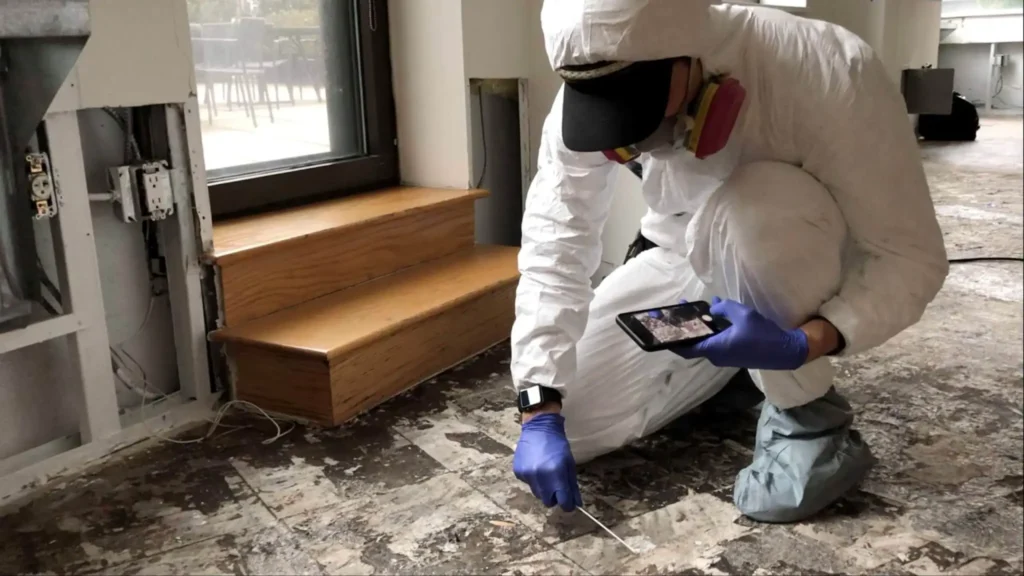
A visual inspection alone cannot reveal hidden mold. Professional inspectors use a combination of experience, moisture detection tools, and systematic evaluations to identify conditions that homeowners often miss.
Rather than simply looking for visible discoloration, an inspection focuses on locating the source of moisture. This approach helps prevent the same problem from returning after cleanup.
Professional inspections may include:
- Moisture meter readings
- Thermal imaging to identify temperature differences caused by moisture
- Foundation evaluation
- Ventilation assessment
- Humidity measurements
- Water intrusion inspection
- Recommendations for correcting underlying moisture issues
Finding mold is only part of the process. Identifying why it developed is what helps protect the home over the long term.
Benefits of Finding Hidden Mold Early
The sooner hidden mold is discovered, the easier it is to control. Many homeowners wait until they notice visible stains or experience a strong musty odor, but by then the mold may have already spread behind walls or beneath flooring. Early detection allows you to fix the moisture source before extensive damage occurs.
Some of the biggest advantages of an early inspection include:
- Preventing expensive structural repairs.
- Protecting drywall, wood framing, and insulation from long-term damage.
- Improving indoor air quality.
- Reducing the chance of mold spreading to other areas of the home.
- Preserving your property’s value.
- Giving buyers greater confidence during a home sale.
A professional inspection provides peace of mind, whether you’re maintaining your current home or preparing to buy or sell a property.
Why Florence Homeowners Trust Professional Mold Inspections
Every home has its own history. Some have experienced basement leaks, while others have older foundations that naturally allow moisture to enter over time. Because every situation is different, homeowners benefit from inspections that look beyond surface-level issues.
Professional inspectors understand how local construction methods, weather patterns, and foundation designs influence moisture problems in Northern Kentucky. Instead of relying on guesswork, they evaluate the property as a whole to determine where moisture is entering and whether conditions support mold growth.
This detailed approach helps homeowners make informed decisions rather than spending money on unnecessary repairs or temporary fixes.
What Happens During a Mold Inspection?
Many homeowners are unsure what to expect when scheduling a mold inspection. While the exact process can vary depending on the property, a thorough inspection generally follows several important steps.
Initial Property Assessment
The inspector begins by discussing any concerns you have noticed, such as musty odors, water leaks, condensation, or previous flooding. This information helps focus the inspection on areas that may require closer attention.
Visual Examination
Next, accessible areas of the basement and surrounding spaces are carefully inspected for visible signs of moisture damage, staining, discoloration, or conditions that commonly encourage mold growth.
Moisture Detection
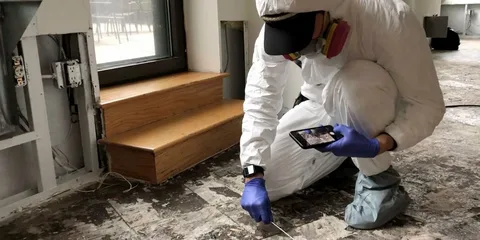
Using specialized equipment such as moisture meters and thermal imaging technology, inspectors identify damp areas that cannot be seen with the naked eye. These tools help locate hidden moisture behind walls, under flooring, and around foundation materials.
Identifying the Source
Finding mold is only part of the process. A quality inspection also identifies why moisture is present. Whether the issue is poor drainage, foundation seepage, plumbing leaks, or excess humidity, addressing the root cause is essential for preventing future mold growth.
Inspection Report
After the evaluation, homeowners receive a clear report outlining the findings, areas of concern, and recommendations for addressing any moisture-related issues.
Understanding the Connection Between Mold and Radon
Many homeowners are surprised to learn that mold and radon are often addressed during the same stage of a home inspection. Although they are completely different hazards, both are commonly associated with basements and lower levels of a home.
While mold develops because of excess moisture, radon is a naturally occurring gas that enters through cracks and openings in the foundation. Since both issues affect areas below ground level, homeowners frequently schedule Radon inspection services in Burlington KY alongside mold evaluations for a more complete understanding of their home’s environmental conditions.
Addressing both concerns at the same time can help homeowners avoid multiple inspections and ensure hidden issues are not overlooked.
Cost Factors That Can Affect a Mold Inspection
The cost of a mold inspection depends on several factors rather than a single fixed price.
These factors may include:
- The size of the property.
- Basement accessibility.
- Visible versus hidden moisture concerns.
- Age of the home.
- Previous water damage history.
- Additional testing requirements.
- The complexity of the inspection.
Instead of focusing only on inspection cost, homeowners should consider the long-term value of identifying problems before they lead to costly repairs.
Expert Tips to Help Prevent Basement Mold
While no basement is completely immune to moisture, several practical steps can significantly reduce the likelihood of hidden mold developing.
Maintain gutters and downspouts so rainwater flows away from the foundation instead of collecting around it.
Inspect your basement regularly for signs of dampness after heavy rainfall. Even small changes in moisture levels can indicate developing problems.
Use a quality dehumidifier during humid months to keep indoor humidity under control.
Repair plumbing leaks as soon as they are discovered, even if they appear minor.
Store belongings slightly above the basement floor to improve airflow and reduce the risk of moisture damage.
Avoid finishing a damp basement before identifying and correcting the underlying source of moisture.
Schedule periodic professional inspections, particularly if your home has experienced flooding, foundation movement, or previous mold issues.
Frequently Asked Questions
How can I tell if mold is hidden behind basement walls?
Hidden mold often causes musty odors, persistent humidity, peeling paint, or unexplained allergy symptoms. A professional inspection using moisture detection equipment is the most reliable way to identify concealed mold.
How often should a basement be inspected for mold?
Homes with previous water intrusion, high humidity, or older foundations may benefit from inspections every few years or whenever moisture concerns develop.
Is every type of mold dangerous?
Different mold species have different characteristics. Regardless of the type, any active mold growth should be addressed because it indicates an underlying moisture problem that can continue damaging the home.
Can I remove basement mold myself?
Small surface areas may sometimes be cleaned safely, but widespread or hidden mold usually requires professional evaluation to ensure the moisture source is properly corrected.
Why should mold and radon inspections be considered together?
Both issues commonly affect below-grade areas of a home. Scheduling mold and radon evaluations together provides a more complete picture of your home’s environmental health and can uncover hidden concerns before they become larger problems.
Conclusion
Hidden mold rarely develops overnight. It usually begins with a small moisture problem that goes unnoticed until odors, staining, or structural damage become difficult to ignore. Because Florence experiences humid weather, seasonal rainfall, and varying ground conditions, many basements are naturally more vulnerable to hidden moisture than homeowners realize.
Scheduling Mold inspection services in Florence, KY allows you to identify problems before they become expensive repairs. Whether you have noticed a musty smell, experienced previous water intrusion, or simply want greater confidence in your home’s condition, a professional inspection provides valuable insight into areas that cannot be seen during a routine walkthrough.
For homeowners looking for a more complete evaluation of their property, combining mold assessments with Radon inspection services in Burlington KY can help uncover additional environmental concerns commonly found in Northern Kentucky homes. Taking action early protects your investment, supports a healthier indoor environment, and gives you greater peace of mind for years to come.