A newly renovated home often gives homeowners a sense of completion and security. Fresh drywall, updated flooring, modern bathrooms, and improved living spaces can make a property feel brand new. However, behind those visible improvements, hidden moisture issues can continue developing if renovation work has disturbed existing materials or changed how water moves through the home.
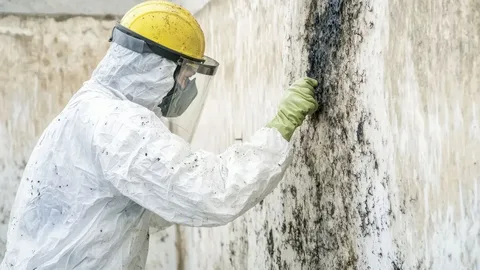
Many homeowners in Northern Kentucky are surprised when a property fails a mold inspection shortly after a remodeling project. The problem is not always obvious leaks or flooding. In many cases, moisture becomes trapped behind finished surfaces, beneath flooring materials, or inside areas that were recently sealed during construction.
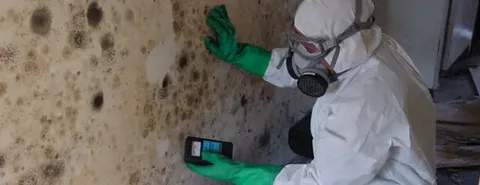
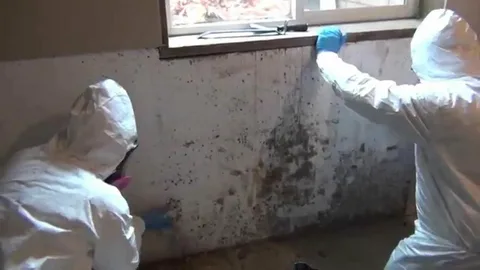
At Northern Kentucky Inspections Inc, we regularly evaluate homes where renovation work has unintentionally created conditions favorable for mold growth. Through detailed Mold inspection services, inspectors look beyond visible damage to identify moisture sources, ventilation issues, and areas where microbial growth may develop before it becomes a larger property concern.
For homeowners in Florence, KY planning renovations or recovering after a remodeling project, understanding these hidden moisture risks can prevent expensive repairs and help protect indoor air quality.
Why Renovated Homes Can Develop Mold Problems After Construction Work
Renovations often improve the appearance and functionality of a home, but they also change the relationship between building materials, airflow, and moisture movement. When walls are opened, plumbing is modified, insulation is replaced, or new finishes are installed, previously hidden areas become vulnerable.
One of the biggest misconceptions is that mold problems only happen in older, poorly maintained homes. In reality, recently renovated properties can experience moisture issues because construction materials naturally contain moisture during installation.
Drywall compound, lumber, adhesives, concrete surfaces, and other building materials need proper drying time before they are enclosed. If moisture becomes trapped during the renovation process, the environment behind the finished surface can support mold growth even when the visible areas appear clean.
This is why a home can look completely remodeled while still having hidden conditions that affect the inspection outcome.
The Hidden Moisture Sources Most Homeowners Overlook
When homeowners think about water damage, they usually imagine major events like burst pipes, roof leaks, or flooding. While those situations can certainly create mold concerns, many post-renovation problems come from smaller moisture sources that receive less attention.
One common issue occurs when plumbing changes are completed during kitchen or bathroom upgrades. A small connection problem behind a cabinet or inside a wall cavity may release enough moisture to create favorable conditions for mold without producing noticeable dripping or standing water.
Another overlooked area is improperly sealed exterior penetrations. New windows, doors, vents, and utility openings can create pathways for moisture intrusion if flashing, caulking, or waterproof barriers are not installed correctly.
Renovations can also affect ventilation. For example, converting rooms, adding insulation, or upgrading finishes may reduce natural airflow. Areas that previously dried quickly may begin holding moisture longer, increasing the likelihood of condensation and mold development.
These problems are difficult for homeowners to identify because the visible renovation work often looks complete while the underlying issue remains hidden.
How Moisture Gets Trapped Behind New Materials
One of the biggest challenges after remodeling is that modern finishes can hide developing problems.
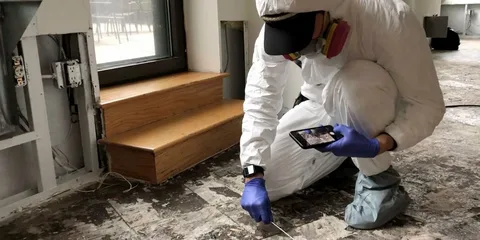
New flooring can cover moisture-damaged subfloors. Fresh drywall can conceal damp framing. Recently installed cabinets can hide plumbing leaks that would have been visible before installation.
This does not mean renovation work causes mold by itself. Properly completed remodeling projects are designed to improve homes. The concern comes when moisture control is overlooked during the process.
Building materials require proper preparation, installation, and drying conditions. When these steps are rushed, moisture may remain trapped for extended periods.
A small amount of moisture that would normally evaporate can become a larger issue when sealed behind non-porous materials. Over time, this creates the type of hidden environment where mold colonies can develop without immediate signs.
Why Florence, KY Homes Need Careful Moisture Evaluation After Remodeling
Homes throughout Florence, KY experience seasonal conditions that can influence indoor moisture levels. Northern Kentucky’s changing weather patterns bring humid summers, temperature fluctuations, and periods of heavy rainfall that can affect how buildings handle moisture.
Older homes may already have areas where moisture management requires attention, while newer renovated spaces may introduce different challenges. Combining older construction materials with modern upgrades requires careful evaluation because the interaction between the two can create unexpected moisture pathways.
This is especially important after projects involving:
- Basement finishing
- Bathroom remodeling
- Kitchen renovations
- Window replacement
- Flooring installation
- Plumbing updates
Each of these improvements can change how moisture enters, moves through, and leaves the home.
Why Professional Mold and Radon Inspections in Florence, KY Matter After Renovations
Many homeowners schedule inspections only when they notice visible mold, musty odors, or health concerns. However, post-renovation inspections can provide valuable information even when no obvious warning signs exist.
Professional Mold and Radon Inspections in Florence, KY evaluate areas that homeowners cannot easily access. Inspectors examine moisture conditions, ventilation patterns, previous water exposure, and locations where mold is more likely to develop.
A proper inspection does not simply search for surface-level discoloration. It focuses on identifying why moisture may exist and whether conditions support future mold growth.
This approach is especially valuable after renovations because new construction materials can hide early-stage moisture problems. Finding these issues before they spread can prevent larger repairs involving drywall replacement, flooring removal, or structural remediation.
Why Passing a Visual Inspection Does Not Always Mean a Home Is Moisture-Free
Many homeowners assume that if walls look clean and there are no visible stains, the property has no mold concerns. Unfortunately, visible appearance only shows part of the picture.
Mold can develop in areas that are not immediately accessible, including:
- Behind finished walls
- Under flooring materials
- Around plumbing connections
- Inside crawl spaces
- Near HVAC components
A home inspection focused only on visible surfaces may miss conditions developing in concealed areas.
The goal of professional evaluation is not to create unnecessary concern. It is to provide homeowners with accurate information about their property’s condition so they can make informed decisions after renovation work.
Renovation Mistakes That Create Unexpected Mold Risks
Most homeowners begin renovation projects with the goal of improving their property, not creating future maintenance problems. However, certain construction decisions can unintentionally increase moisture risks when they are not handled correctly.
One common mistake is closing walls too quickly after plumbing, electrical, or structural work. During renovations, contractors may open wall cavities that were previously protected from indoor humidity and outside conditions. If moisture enters those areas or materials are installed before they are completely dry, the problem can remain hidden behind finished surfaces.
Another issue occurs when homeowners focus heavily on visual upgrades while overlooking moisture management. A new bathroom may have attractive tile, modern fixtures, and updated finishes, but poor ventilation or incorrect waterproofing behind those materials can create long-term problems.
The same applies to basement renovations. Many Northern Kentucky homeowners finish basements to create additional living space, but below-grade areas naturally face greater moisture challenges because they are surrounded by soil and exposed to groundwater conditions. Without proper drainage, vapor barriers, and humidity control, finished basement materials can become vulnerable to mold growth.
Understanding these risks helps homeowners recognize that successful renovations require more than improving appearance. The project must also maintain proper moisture control throughout the home’s structure.
Warning Signs That May Appear After a Remodeling Project
Mold issues do not always appear immediately after construction is completed. In many cases, signs develop gradually as trapped moisture continues affecting materials behind walls or beneath surfaces.
A persistent musty smell is one of the earliest indicators homeowners notice. Unlike ordinary household odors, moisture-related smells often remain even after cleaning because the source is located somewhere hidden.
Changes in indoor comfort can also provide clues. Rooms that suddenly feel more humid, areas with condensation around windows, or spaces that take longer to dry after normal use may indicate ventilation or moisture problems.
Homeowners should also pay attention to unexpected changes in recently renovated areas. Examples include:
- Paint bubbling or peeling after a fresh application
- Flooring that begins lifting or separating
- Dark spots near corners or baseboards
- Increased allergy-like symptoms indoors
- Warped trim or swelling wood materials
These signs do not always confirm mold, but they indicate that moisture conditions should be evaluated before the issue becomes more extensive.
How Professional Inspectors Identify Hidden Moisture Problems
A thorough inspection involves more than looking around rooms and searching for visible mold growth. Experienced inspectors use a combination of visual assessment, moisture evaluation, and building knowledge to determine whether conditions are favorable for mold development.
The inspection process typically begins by reviewing the home’s history. Recent renovations, previous water damage, plumbing changes, and areas with repeated moisture exposure provide important clues about where problems may exist.
Inspectors then examine areas where moisture commonly collects, including bathrooms, kitchens, basements, crawl spaces, HVAC areas, and locations near exterior walls.
Moisture detection tools can help identify elevated moisture levels behind surfaces without unnecessary damage to the property. This allows professionals to locate potential problem areas while minimizing disruption.
The purpose of the inspection is not simply identifying mold growth. It is understanding the relationship between moisture, building materials, and indoor conditions so homeowners know what steps may be needed next.
Why Choosing Certified mold inspectors in Burlington KY Helps Homeowners Make Better Decisions
When homeowners discover possible mold concerns after renovations, choosing an experienced professional is important because not every inspection approach provides the same level of detail.
Working with Certified mold inspectors in Burlington KY gives homeowners access to professionals who understand mold assessment principles, moisture patterns, and the conditions that allow mold to develop inside residential structures.
Certification and training help inspectors follow consistent evaluation methods rather than relying only on visible observations. This is especially valuable after renovations because many problems are hidden behind newly installed materials.
A qualified inspector can help homeowners determine whether a concern requires further action or whether normal building conditions are being mistaken for a serious issue. This prevents unnecessary repairs while also ensuring genuine moisture problems are not ignored.
For homeowners who recently completed remodeling work, a professional inspection provides clarity about the condition of the property instead of leaving them guessing.
The Connection Between Mold Testing and Indoor Air Quality After Renovations
After remodeling, homeowners often focus on the appearance of their upgraded spaces. However, indoor environmental conditions are equally important.
Construction activities can temporarily affect indoor air quality through dust, material emissions, and changes in airflow. If moisture problems develop during the process, mold-related concerns can become another factor affecting the home’s environment.
Home mold testing can help evaluate whether mold-related concerns exist when there are signs such as unusual odors, visible growth, or a history of moisture exposure.
Testing should be viewed as part of a larger inspection process rather than the only step in evaluating a property. Understanding where moisture exists and why it developed is often just as important as identifying the presence of mold.
For renovated homes, combining visual evaluation, moisture assessment, and appropriate testing methods provides homeowners with a clearer understanding of their property’s condition.
Cost Factors Homeowners Should Consider Before Scheduling a Mold Inspection
The cost of evaluating mold concerns after renovation depends on several factors, including the size of the property, areas requiring inspection, the complexity of the renovation, and whether additional testing is needed.
A small concern involving one bathroom renovation may require a different evaluation process compared to a whole-home remodeling project involving multiple rooms, new plumbing, or basement finishing.
Homeowners should also consider the potential cost of delaying an inspection. Hidden moisture problems often become more expensive when they continue unnoticed. Damaged drywall, flooring replacement, wood repairs, and larger remediation projects can cost significantly more than identifying the source early.
Investing in an inspection after a major renovation can provide valuable information about whether the work was completed under proper moisture conditions and whether additional attention is needed.
Steps Homeowners Can Take Before and After Renovations to Reduce Mold Risk
Preventing mold problems begins before construction starts. Homeowners should discuss moisture protection with contractors, especially for projects involving plumbing, bathrooms, basements, windows, or exterior walls.
During renovation, materials should be allowed adequate drying time before being enclosed. Ventilation should remain part of the construction process, and any signs of water intrusion should be addressed immediately rather than covered during finishing work.
After completion, homeowners should monitor renovated areas for unusual odors, moisture changes, or material movement. Regular maintenance of ventilation systems, gutters, plumbing fixtures, and drainage areas also helps reduce future moisture problems.
A successful renovation is not only measured by how the finished space looks. It is also measured by how well the home continues protecting its structure and indoor environment over time.
Long-Term Protection Strategies After Completing a Renovation
A successful renovation does not end when the final coat of paint dries or the last fixture is installed. Maintaining the improvements requires ongoing attention to the conditions that affect moisture movement inside the home.
Many homeowners assume that once a remodeling project is completed, moisture concerns are permanently eliminated. In reality, every home continues interacting with its environment. Seasonal humidity, plumbing systems, exterior drainage, and ventilation all influence whether moisture remains controlled or becomes a recurring issue.
One of the most effective long-term strategies is monitoring areas that experienced major changes during renovation. Bathrooms, kitchens, basements, laundry rooms, and spaces near exterior walls deserve regular attention because these locations naturally experience higher moisture exposure.
Simple maintenance habits can make a significant difference. Keeping exhaust fans operating during and after showers, addressing plumbing leaks quickly, maintaining gutters and downspouts, and controlling indoor humidity levels all reduce the conditions that allow mold to develop.
A renovated home should not only look improved—it should continue performing well years after the project is completed.
Expert Recommendations for Homeowners Planning Renovations in Northern Kentucky
Before starting any remodeling project, homeowners should think beyond the visible design changes and consider how the work affects the home’s moisture balance.
The most successful renovation projects usually involve planning between homeowners, contractors, and inspection professionals before problems occur. Reviewing areas with previous water damage, identifying vulnerable building materials, and understanding ventilation requirements can prevent many post-renovation concerns.
For older homes, this planning becomes even more important. Many Northern Kentucky properties have unique construction characteristics, including older plumbing systems, crawl spaces, aging foundations, and materials that respond differently to moisture compared to newer construction.
Homeowners should also avoid covering potential problems simply because a renovation deadline is approaching. A damaged area hidden behind new drywall or flooring does not disappear—it often becomes more expensive to address later.
Taking additional time during the planning stage can protect the investment made in the renovation and provide greater confidence in the finished result.
Frequently Asked Questions
Why do some homes fail mold inspections after renovations?
Homes may fail mold inspections after renovations when moisture becomes trapped behind new materials, plumbing issues go unnoticed, ventilation changes create higher humidity, or construction materials are sealed before they properly dry.
Should I schedule a mold inspection after completing a renovation?
A post-renovation inspection can be beneficial, especially for projects involving bathrooms, kitchens, basements, plumbing changes, or areas where moisture may become trapped behind finished surfaces.
Can a home look completely renovated and still have mold problems?
Yes. Mold growth often occurs in hidden areas such as behind drywall, under flooring, inside cabinets, or around plumbing connections. A clean appearance does not always indicate that moisture problems are absent.
How can I tell if my renovation created moisture issues?
Common warning signs include musty odors, peeling paint, warped materials, condensation problems, unusual humidity levels, or staining near recently renovated areas. These signs should be evaluated before the issue expands.
Is mold testing enough to determine if my home has a problem?
Testing can provide useful information, but it should be combined with a complete evaluation of moisture sources, building conditions, and areas where mold may develop. Identifying the cause is often just as important as identifying the presence of mold.
Conclusion
Renovations can completely transform a home, but the work behind the walls matters just as much as the improvements homeowners see every day. Hidden moisture sources, improper drying conditions, plumbing changes, and ventilation issues can create unexpected challenges even in beautifully updated properties.
Understanding these risks allows Northern Kentucky homeowners to approach remodeling with better preparation and realistic expectations. A thorough evaluation after significant renovation work can provide valuable insight into whether moisture conditions are being properly controlled or whether additional attention may be needed.
If you recently completed a renovation or are planning a major home improvement project in Florence, KY, professional inspection services can help you better understand your home’s condition and protect the investment you’ve made in improving your property.