Learn how plumbing services in Elsmere, KY use camera scoping to reveal pipe and septic issues, compare inspection options, and avoid costly surprises.
Hidden plumbing and septic problems can be difficult to spot during a normal property walkthrough. Northern Kentucky Inspections Inc uses camera-based scoping to examine accessible lines and help property owners understand conditions that may otherwise remain out of sight.
People researching plumbing services before buying, selling, or maintaining a property should know the difference between a standard plumbing check and a detailed camera inspection. In Elsmere and Newport, KY, scoping can provide useful information about blockages, pipe deterioration, root intrusion, and other concealed conditions.
How Plumbing Services Use Camera Scoping
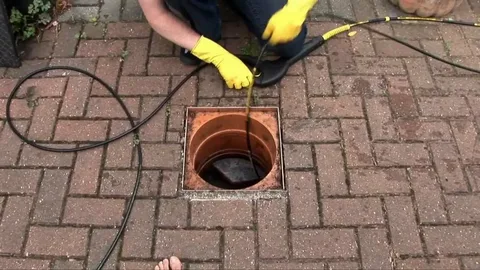
A plumbing or septic scope uses a specialized camera that travels through an accessible line. Instead of guessing what may be causing slow drainage or recurring problems, the inspection provides a direct view inside the pipe.
Camera scoping may help identify:
- Cracks or damaged pipe sections
- Root intrusion
- Heavy buildup
- Blockages
- Pipe deterioration
- Offset or separated connections
- Obstructions inside drain or sewer lines
The purpose is inspection and documentation. A scope can show where a concern exists so the property owner can decide what action to take next.
When Plumbing Services Should Include a Scope
A camera inspection can be useful in several situations. Homebuyers may want to understand underground plumbing conditions before closing. Current homeowners may use scoping when drainage problems return even after routine maintenance.
It may also make sense when:
- A property has older plumbing
- Drains back up repeatedly
- Trees grow close to sewer lines
- A septic system has an unknown history
- You are purchasing an older home
- Previous repairs have not solved the issue
- You want documentation before major work
Searching for plumbing services in Elsmere, KY can be helpful when you need information rather than immediate repair work.
Plumbing Inspection vs. Septic System Scoping
Plumbing and septic systems work together in many properties, but inspections focus on different areas.
| Inspection Type | Main Focus | Possible Findings |
| Plumbing camera scope | Drain and sewer lines | Cracks, blockages, buildup, roots |
| Septic scope | Septic-related lines and components | Damage, clogs, flow concerns |
| General visual inspection | Accessible fixtures and connections | Leaks, corrosion, visible damage |
| Pest inspection | Signs of pest activity | Termites, rodents, ants, entry points |
A property may need more than one type of inspection. Plumbing problems, moisture concerns, and pest activity can sometimes appear in the same areas, such as basements, crawl spaces, or around damaged pipes.
What Makes a Septic Inspection Useful?
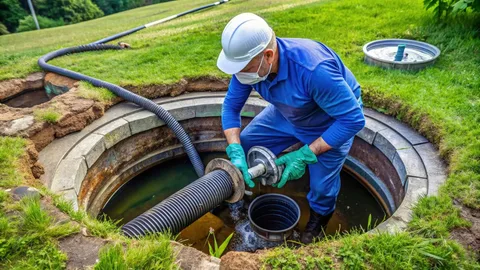
Septic systems operate mostly underground, which means many problems remain hidden until drainage slows or a system begins to fail.
A detailed inspection can help property owners better understand the condition of accessible components before making maintenance or repair decisions.
When comparing the best septic system services in Newport, KY , ask what the inspection includes. A useful scope should explain which areas can be viewed, what limitations exist, and how findings will be documented.
Photos, video findings, and clear written explanations can make the results easier to understand.
Common Plumbing and Septic Inspection Mistakes
One common mistake is waiting for a complete backup before investigating repeated drainage problems. Slow drains or recurring clogs may provide earlier warning that something deeper in the system needs attention.
Another mistake is assuming that a normal home inspection examines every part of underground plumbing. Many concealed lines require separate camera equipment.
Property owners should also avoid:
- Ignoring repeated sewer odors
- Assuming every clog has the same cause
- Buying a property without asking about septic history
- Treating camera scoping as the same as repair
- Failing to keep inspection records
- Choosing an inspection based only on price
A low-cost inspection provides little value if the scope or findings are unclear.
Best Practices Before Scheduling an Inspection
Write down any symptoms you have noticed before the inspector arrives. Include slow drains, unusual sounds, backups, odors, wet areas, or previous plumbing work.
If you are buying a property, ask the seller for available maintenance and repair records. Information about past sewer work or septic servicing can give the inspector useful context.
Make sure the inspector explains access requirements in advance. Some lines may be easier to evaluate through cleanouts or other entry points.
After the inspection, keep the report and images with your property records. They can provide a useful baseline for future maintenance.
Actionable Tips for Property Owners
Do not wait until a property transaction is almost complete to schedule plumbing and septic scoping. Early inspection leaves more time to understand the findings and request additional evaluation when necessary.
Ask three simple questions after the scope:
- What did the camera clearly show?
- Were any areas inaccessible?
- Does any finding need further evaluation or repair?
For property owners in Elsmere and Newport, these questions can help turn inspection footage into practical information.
Northern Kentucky Inspections Inc also provides pest control inspections, which may be worth considering when moisture, crawl-space conditions, or structural areas raise concerns about pest activity.
Conclusion
Professional plumbing and septic inspection near me can include more than fixing a visible leak or clearing a drain. Camera scoping gives homeowners and buyers a closer look at concealed plumbing and septic conditions before those issues turn into larger decisions.
For properties in Elsmere and Newport, KY, Northern Kentucky Inspections Inc provides plumbing and septic system scoping as part of its inspection services. A careful inspection, clear documentation, and timely follow-up can help property owners understand their systems and plan maintenance with better information.
FAQs
1. What is plumbing camera scoping?
A camera scope involves guiding specialized video equipment through an accessible plumbing line to look for blockages, cracks, deterioration, roots, and other visible problems.
2. Should I get plumbing and septic inspection before buying a home?
It can be useful, especially when the property has older plumbing, a septic system, mature trees near underground lines, or limited maintenance records.
3. Can a camera inspection find every plumbing problem?
No. Access, pipe condition, bends, standing water, and other factors can limit visibility. The inspector should explain any areas that could not be fully evaluated.
4. What signs suggest I may need septic system scoping?
Recurring backups, slow drainage, unusual odors, unknown maintenance history, or concerns discovered during a property purchase may justify further inspection.
5. Is plumbing scoping the same as plumbing repair?
No. Scoping is an inspection and diagnostic process. It helps identify visible conditions inside accessible lines so a qualified professional can determine what further action may be needed.