Need LVT radon inspection services in Florence, KY? Learn about mold and radon testing types, costs, and how to pick a certified local inspector for your home.
Every Florence homeowner deserves to know what is in their air. Mold and radon are two of the most common hidden threats in Kentucky homes — and both can go unnoticed for years without professional testing. Northern Kentucky Inspections Inc provides certified LVT radon inspection services in Florence, KY alongside thorough mold assessments that give you accurate, lab-backed results. Whether you are buying a home or want peace of mind in the one you already own, getting tested is a straightforward step that protects your family for the long term. Kentucky’s geological makeup places it among the states with the highest average indoor radon levels, so scheduling a professional inspection here is not just smart — it is practically a necessity.
Why Florence homeowners schedule mold and radon testing
The Environmental Protection Agency places the Boone County region in a moderate to high radon potential area. Homes in Northern Kentucky receive radon gas from cracked foundations. The bedrock beneath Northern Kentucky neighborhoods limestone and dolostone naturally emits radon gas. This gas can enter homes through cracked foundations, gaps around pipes, and porous…
American Lung Association (2026) reports testing of homes in Kentucky resulted in radon levels at or aboveE PA action level of 4 pCi/L in 37% of homes. The average indoor level of radon across the country is approximately 1.3 pCi/L.
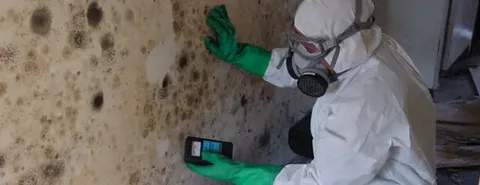
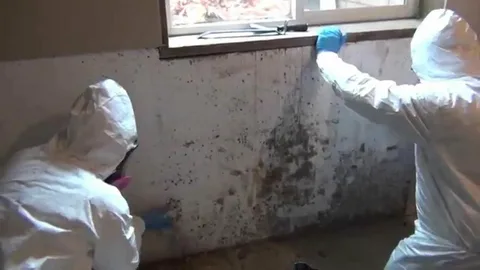
Mold being another major concern is serious too. The humid summer and cold winter conditions in Florence encourage the growth of moisture in your crawl space, basement, attic, and wall cavities. Once it colonizes a surface, spores populate the HVAC system and will pollute the indoor air quality of all the house. Respiratory issues, long-lasting headaches, and allergies often exhibit symptoms before the plant is visible.
Together, these two threats explain why LVT Mold and Radon Inspections Services in Florence, KY and professional mold testing have become standard steps for home buyers and long-term residents alike.
Types of mold and radon inspection services — and what each involves
Not every inspection is the same. The method your inspector uses affects both the accuracy of results and the cost. Here is a breakdown of the main service types available in Florence.
Mold inspection options:
- Air sampling draws indoor air through a collection cassette that a lab then analyzes for spore type and concentration. This method catches airborne mold that has not yet formed visible colonies.
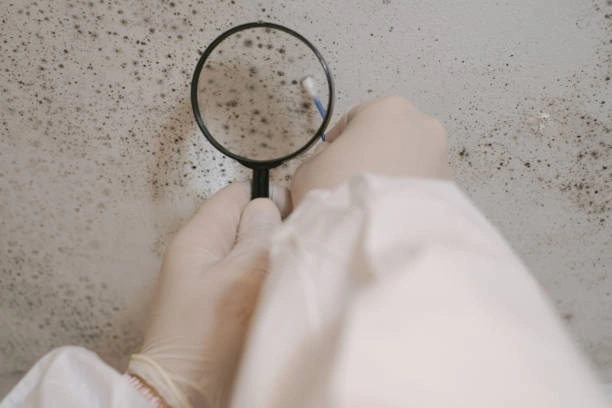
- Surface swab testing collects a sample from a specific area — a discolored patch on drywall, for example — and identifies the mold species present.
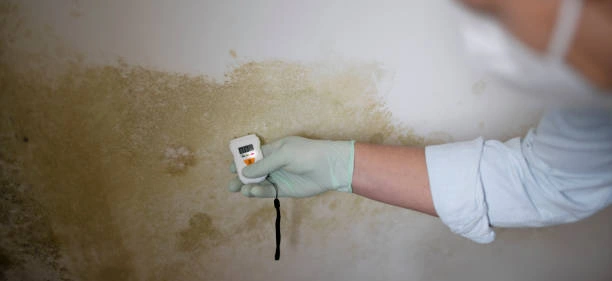
- Infrared thermal imaging uses a camera to detect moisture pockets behind walls and ceilings. Inspectors use this as a first-pass tool before deciding whether air or surface sampling is needed.
Radon testing options:
- Short-term testing uses a charcoal canister or electret ion chamber placed in the lowest livable area of the home for 48 to 96 hours. This is the standard method for real estate transactions.
- Long-term testing runs for 90 days or more using an alpha track detector. It captures seasonal fluctuations and gives a more accurate annual average.
- Continuous electronic monitoring uses a digital device that logs readings every hour. Inspectors and buyers favor this when they need fast results with detailed data.
- LVT (long-term verification testing) confirms that a mitigation system installed after an initial high reading is actually working. It is the method recommended when you want documented proof that levels have dropped to a safe range.
Comparison: Mold and Radon Inspection Service Types
| Service Type | Duration | Best For | Accuracy Level | Report Turnaround |
|---|---|---|---|---|
| Mold Air Sampling | 1–2 hours on-site | General air quality concern | High (lab analysis) | 3–5 business days |
| Mold Surface Swab | 30–60 minutes on-site | Visible growth identification | High (species-specific) | 3–5 business days |
| Short-Term Radon Test | 48–96 hours | Real estate closings | Moderate–High | 24–48 hrs post-retrieval |
| Long-Term Radon Test | 90+ days | Annual average accuracy | Very High | 2–3 weeks post-retrieval |
| LVT Radon Inspection | 90+ days | Post-mitigation verification | Very High | 2–3 weeks post-retrieval |
| Continuous Electronic Monitor | 48–72 hours | Detailed hourly data | High | Same day |
The inspection process — what a certified inspector actually does
A professional inspection is not just a matter of dropping a test kit and waiting. A certified inspector follows a structured process that covers the physical conditions of your home alongside the testing equipment.
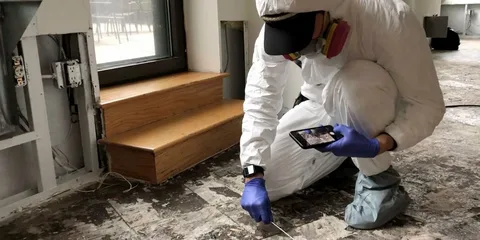
Step 1 — Initial walkthrough and risk assessment. The inspector surveys the property for visible mold growth, water staining, efflorescence on basement walls, and structural entry points for radon such as foundation cracks or sump pits. This step shapes the placement of testing equipment.
Step 2 — Equipment placement. For radon, the inspector places the testing device in the lowest livable space — typically a finished basement or first-floor room with ground contact. Closed-house conditions must be maintained for 12 hours before and throughout a short-term test, per EPA protocol.
Step 3 — Mold sample collection. Air cassettes or surface swabs are collected, sealed, and sent to an accredited third-party laboratory. The inspector documents the exact collection points for the report.
Step 4 — Laboratory analysis. The lab identifies radon concentrations in pCi/L and mold spore types and counts. Most labs serving the Florence area return results within two to five business days.
Step 5 — Report delivery and interpretation. A good inspector does not just hand you numbers. They walk you through what the results mean, flag anything above action thresholds, and outline next steps — whether that is mold remediation, a radon mitigation system, or simply a follow-up test in a year.
A licensed inspector in the Florence area noted that the most common mistake homeowners make is testing only on the main living level. “Radon concentrates in lower spaces first,” he said. “A test placed on the first floor of a home with an unfinished basement will often show lower readings than what the occupants are actually breathing over time.”
What affects inspection costs in the Florence, KY area
Factors that influence mold inspection pricing
The price depends on the size of the home, number of samples taken, and use of thermal imaging. The cost of doing a single-sample mold test for a specific concern is cheaper than a full-property air quality assessment with multiple cassettes. Houses that have flooded or displayed damages from water are likely to need more samples.
Factors that influence radon inspection pricing
Test duration matters. A short-term charcoal canister test for a real estate transaction runs less than a long-term alpha track or continuous monitor setup. LVT radon inspection services in Florence, KY — those that verify a mitigation system after it has been installed — tend to cost more because they require extended deployment and formal documentation for insurance or resale purposes.
Other variables include whether the inspector is certified through the National Radon Proficiency Program (NRPP) or National Radon Safety Board (NRSB), both of which are recognized by the Kentucky Department for Public Health. Certified professionals carry specific liability coverage that general home inspectors do not always hold.
Companies like Northern Kentucky Inspections Inc that focus specifically on mold and radon inspections for Florence and surrounding Boone County communities understand local home construction patterns — from the older slab-on-grade homes near the city center to the newer basements in the growing suburban developments along US-42.
How to choose the right inspection company in Florence, KY
Picking an inspector in Northern Kentucky comes down to a few clear factors. First, verify certification. Radon testers in Kentucky should hold active NRPP or NRSB credentials. Mold inspectors should carry credentials from the American Council for Accredited Certification (ACAC) or an equivalent body.
Second, ask whether they use a third-party accredited laboratory. Any company processing its own samples internally should raise questions. Independent lab results carry more weight for real estate transactions, insurance claims, and mitigation verification.
Third, confirm that the inspector carries errors and omissions (E&O) insurance in addition to general liability. E&O coverage is specific to professional services and protects you if a result is misreported.
An inspector who works exclusively on environmental testing in Florence — like Northern Kentucky Inspections Inc — will have processed results from hundreds of local homes, understand which neighborhoods and home types produce elevated readings most often, and carry the trade-specific insurance that general contractors frequently skip. That combination of local pattern knowledge and proper coverage is hard to replicate with a national chain.
Finally, read reports before you commit. Ask to see a sample report. It should include the testing method, device placement details, laboratory accreditation number, and a plain-language interpretation of results — not just raw numbers.
Conclusion
Florence homeowners face real mold and radon risks that won’t announce themselves any time soon, if at all. The geology and climate of Kentucky makes testing more than just a precaution. It is a practical step to protect the people that you live with. You may rely on our expert radon testing in Florence, KY for a short-term radon test to fulfill conditions of a closing. Likewise, we can perform an LVT radon test to check the efficacy of your mitigation system. Or, perhaps you’d like to consider our full mold air quality assessment. In any case, working with a licensed local inspector results in actionable outcomes you can trust.
Frequently Asked Questions
How much does a radon inspection cost in Florence, KY?
Radon inspection costs in Florence vary based on test type and duration. Short-term tests for real estate closings fall at the lower end of the price range, while long-term and LVT radon inspection services in Florence, KY cost more due to extended deployment and formal documentation. Always confirm what is included before booking.
What radon level is considered dangerous in a Kentucky home?
The EPA recommends mitigation when indoor radon reaches 4 pCi/L or higher, and suggests considering action between 2 and 4 pCi/L. Kentucky’s average indoor radon level sits around 7.4 pCi/L — well above the national average of 1.3 pCi/L — making testing especially important for Florence homeowners.
Does Kentucky require radon testing when selling a home in Florence, KY?
Kentucky does not currently mandate radon testing during real estate transactions, but it is strongly recommended. The Kentucky Department for Public Health encourages testing and the EPA advises all homebuyers to request it. Many buyers and agents in the Florence, KY market now treat it as a standard part of the inspection process.
How long does mold grow before it becomes a health risk in a Florence home?
Mold can begin growing within 24 to 48 hours of a moisture event, and some species produce irritants within days. In Florence’s humid climate, finished basements and crawl spaces are particularly vulnerable. Air sampling is the most reliable way to detect mold before it becomes visible — or before health symptoms appear.
Can mold inspection results affect a home sale in Florence, KY?
Yes. If a mold inspection in Florence, KY reveals elevated spore counts or active growth, the seller typically must address it before closing or negotiate a price adjustment. Lab-documented results from a certified inspector carry weight in those negotiations and protect both parties from disputes after the sale.
Radon inspection costs in Florence vary based on test type and duration. Short-term tests for real estate closings fall at the lower end of the price range, while long-term and LVT radon inspection services in Florence, KY cost more due to extended deployment and formal documentation. Always confirm what is included before booking.
The EPA recommends mitigation when indoor radon reaches 4 pCi/L or higher, and suggests considering action between 2 and 4 pCi/L. Kentucky’s average indoor radon level sits around 7.4 pCi/L — well above the national average of 1.3 pCi/L — making testing especially important for Florence homeowners.
Kentucky does not currently mandate radon testing during real estate transactions, but it is strongly recommended. The Kentucky Department for Public Health encourages testing and the EPA advises all homebuyers to request it. Many buyers and agents in the Florence, KY market now treat it as a standard part of the inspection process.
Mold can begin growing within 24 to 48 hours of a moisture event, and some species produce irritants within days. In Florence’s humid climate, finished basements and crawl spaces are particularly vulnerable. Air sampling is the most reliable way to detect mold before it becomes visible — or before health symptoms appear.
Yes. If a mold inspection in Florence, KY reveals elevated spore counts or active growth, the seller typically must address it before closing or negotiate a price adjustment. Lab-documented results from a certified inspector carry weight in those negotiations and protect both parties from disputes after the sale.