

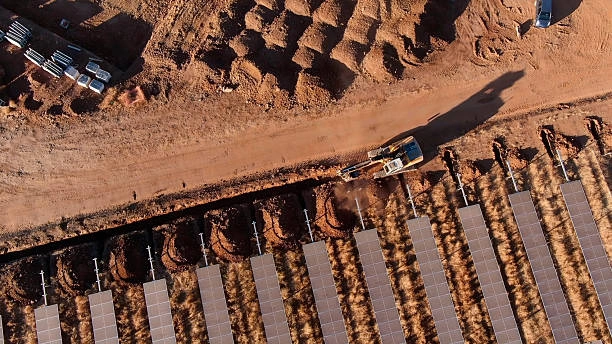
Expert Trenching Services in Erlanger KY
Looking for LVT utility trenching contractors in Erlanger KY? Get an insight into the different types of trenching, its procedure, cost factors and how to choose a local contractor.
Get underground utility work done right the first time, because it matters more than you think. The soil under your property has everything to bring any new water lines, gas connections, electrical conduit runs, or drainage channels. Contractors that do utility trenching for LVT in Erlanger KY perform this task every day, and knowing what to expect before the first shovel hits the soil makes it much less stressful.
Northern Kentucky Inspections Inc serves property owners across the Erlanger area and understands how local soil conditions, underground utility layouts, and municipal requirements shape every trenching project. Hiring a crew that knows the Northern Kentucky terrain — from the clay-heavy soil pockets near the Ohio River corridor to the rock layers common in Kenton County — means fewer surprises once work begins. This guide walks you through everything: what trenching services cover, the types available, what the job actually looks like on-site, what drives cost, and how to pick a contractor you can trust.
What trenching services cover and why Erlanger homeowners need them
Trenching is the process of cutting narrow channels into the ground to install, repair, or replace underground utilities. It sounds simple. In practice, it requires planning, proper equipment, safety compliance, and knowledge of what already sits beneath your yard.
Homeowners in Erlanger commonly need expert trenching services in Erlanger KY for reasons like running new water supply lines to a detached garage, installing underground electrical conduit for outdoor structures, laying gas lines for a pool heater or generator hookup, and placing drainage pipes to redirect surface runoff away from foundations. Each of these jobs requires a different trench depth, width, and backfill approach.
Beyond private residential work, LVT utility trenching is common on commercial sites, new construction lots, and properties undergoing major renovations. When you add square footage to a home or install a new outbuilding, your utility demands change — and trenching is usually part of what makes that expansion possible.
Types of trenching methods and which suits your project
Not every trench gets dug the same way. The method a contractor chooses depends on what gets installed, the depth required, soil conditions, and whether obstacles like driveways, sidewalks, or existing lines sit in the path.
Open-cut trenching is the most common method for residential utility work. A machine cuts a straight channel, the utility gets placed, and the soil goes back in. It works well in open yards with easy access and minimal surface hardscape.
Directional boring (also called horizontal directional drilling) skips the open trench entirely. A drill rig bores a path underground without disturbing the surface. This approach suits driveways, paved areas, and landscaped zones where tearing up the surface would be costly to restore.
Vacuum excavation uses pressurized water or air to break up soil, with a vacuum truck removing the material. It is gentler on surrounding utilities and works well in congested areas where accidental strikes on existing lines pose serious risk.
Rock trenching applies to areas where machinery hits solid limestone or shale. This adds time and cost but is sometimes unavoidable in parts of Kenton County.
Comparison of trenching methods for residential utility work
| Method | Best For | Surface Disruption | Typical Depth Range | Restoration Needed |
| Open-cut trenching | Open yards, new installs | High | 18 inches – 6 feet | Yes — soil backfill |
| Directional boring | Under driveways, paving | Minimal | 18 inches – 10 feet | Minor entry/exit points |
| Vacuum excavation | Near existing utilities | Low | 12 inches – 5 feet | Small surface patches |
| Rock trenching | Hard substrate areas | High | Variable | Yes — rock removal + backfill |
The step-by-step trenching process on a typical job
Seeing the full process laid out makes it much easier to plan around the work. So what does a LVT utility trenching contractor in Erlanger KY actually do from start to finish?
Step 1 through Step 4: Planning, marking, and digging
Before a machine touches your yard, the contractor calls Kentucky 811 — the state’s utility location service — to have all underground lines marked. This is not optional. Kentucky law requires utility notification before any digging begins. According to OSHA’s excavation standards under 29 CFR 1926.651, all underground utilities must be accurately identified and marked before soil disturbance begins. Skipping this step can result in gas line ruptures, electrical strikes, or costly water main breaks.
Once lines are marked, the crew stakes out the trench path, confirms pipe or conduit routing, and checks soil conditions. A competent person — as required under OSHA 29 CFR 1926 Subpart P — inspects the site and determines whether protective systems like trench shields or sloping are needed before workers enter. For trenches deeper than five feet, protective systems are required in most soil types.
Digging follows. Depending on the method selected, machinery ranges from a compact mini excavator for tight residential lots to a full-size backhoe for deeper runs. Workers keep spoil piles at least two feet back from trench edges to prevent cave-in risk.
Step 5 through completion: Installation, backfill, and surface restoration
While trenching, utility pipes, conduits or drainage lines are put in. Material placed beneath and/or around the pipes, usually crushed stone, which cushions the pipe and allows for even loading. The trench is then backfilled in lifts and compacted before further lifts are placed. When compaction isn’t done properly, it allows the surface to settle out months later. This causes cracks in driveways or low spots in the lawn.
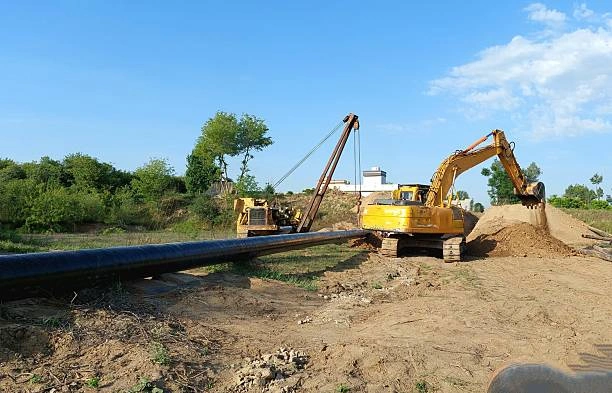
Restoration of surface follows. On a soft grass area, top soil and seed done the work. Patching or repaving restores the surface over paved surfaces. A licensed contractor records the installation depth and path in case you ever need to access the line again.
What affects the cost of trenching in Erlanger KY
Several factors push trench project costs up or down, and understanding them helps you compare quotes fairly. A licensed utility trenching contractor in Erlanger KY will factor all of these into any estimate they give you.
Trench length and depth are the primary drivers. A short run of 50 feet for a shallow electrical conduit takes far less time and material than a 200-foot deep gas line installation. Longer, deeper trenches require more machine hours and more backfill material.
Soil conditions matter significantly in Kenton County. Soft loam is easy digging. Clay soil compacts hard and sticks to equipment. Rock requires specialized cutting attachments or blasting, which adds both time and cost.
Surface restoration adds to the final bill when pavement, landscaping, or hardscape sits over the trench path. Concrete cutting and patching, asphalt repair, or replanting a manicured lawn costs more than restoring a simple grass strip.
Permit fees vary by scope and municipality. Erlanger falls under Kenton County jurisdiction for most utility permits, and the city may require additional approvals for work near public rights-of-way. A contractor familiar with local permit workflows — such as teams at Northern Kentucky Inspections Inc who work in this area regularly — can navigate that process without delays.
Access constraints also shift costs. Narrow side yards, steep grades, or proximity to buildings limits which equipment can operate safely. Tight access sometimes means more hand-digging, which takes longer.
According to the National Utility Contractors Association, improper excavation accounts for a significant share of underground utility damage claims filed annually across the US — damage that ends up costing property owners far more than the original job would have. Getting the work done right the first time is the most affordable approach in the long run.
How to choose the right trenching contractor in Erlanger KY
Finding the right LVT utility trenching contractor in Erlanger KY comes down to a short list of practical checks. Most homeowners make the mistake of stopping at price comparison. Price matters, but it is only one part of the picture.
Verify licensing, insurance, and local experience
Excavation contractors in Kentucky must have appropriate licensing and insurance. Request proof from any contractor you converse with. If something goes wrong on your property, general liability and workers compensation coverage can protect you. If you hire an uninsured contractor, your homeowner’s insurance is liable for damage.
It may seem simple but local experience matters a lot more than one might think. An Erlanger contractor who has worked in communities throughout Kenton County knows the soil types, knows which areas have tricky underground utility layouts, and has existing relationships with the local permit offices. Firms like Northern Kentucky Inspections Inc, which provide utility work across the Northern Kentucky service area, take that local knowledge with them into every job – something a general excavation company or out-of-town crew can’t. They will handle the permit process; know what materials will stand up to this region’s freeze-thaw cycles, and carry trade-specific insurance that GCs sometimes skip.
Ask the right questions before signing
Get at minimum three written quotes before committing. Each quote should itemize labor, equipment, materials, disposal, and restoration separately so you can compare them line by line. Ask each contractor: Do you handle the 811 utility locate call? Who pulls the permit? What is your backfill and compaction method? What does your surface restoration include?
A contractor who can answer all of those questions clearly and without hesitation has done this work enough to do it well. One who hedges on the permit question or is vague about compaction methods is worth reconsidering.
Conclusion
Underground utility work is one of those projects where cutting corners early creates expensive problems later. Whether you need a short conduit run for an outbuilding or a full water line replacement across your property, the quality of the trenching work beneath the surface determines how well everything above it holds up over time.
Erlanger homeowners who understand the process — from the 811 utility locate call through final backfill compaction — are far better positioned to ask the right questions, read quotes accurately, and hold contractors accountable. Knowing the difference between open-cut trenching and directional boring, understanding what drives cost in Kenton County soil conditions, and confirming permit requirements before work begins all reduce the risk of delays, damage, and unexpected expenses.
FAQs
The average cost of trenching residential utilities in Erlanger KY?
The cost for trenching varies from length and depth to soil conditions and what gets installed. The costs increase with longer runs, rocky substrates, and site restoration. To get the clearest picture of project costs expect to receive three itemized quotes from local contractors.
Is a permit necessary for utility trenching in Erlanger KY?
Most utility trenching projects in the city of Erlanger require a permit, especially for gas, water, and electrical work. Kenton County or City of Erlanger may require extra approvals for projects located near public right-of-ways. It’s part of your contractor’s service to apply for permits to ensure this is the case before commencement of work.
What is the usual time concern for trenching jobs Erlanger KY?
It typically takes between one to two days to dig, install and backfill the standard residential trench run of 50 to 150 feet. Due to hard rock conditions, unfavourable access or complex utilities routing. The weather too plays a role, for if the clay soil gets wet, it will not compact properly.
Will digging a trench ruin my yard or driveway in Erlanger?
Open-cut trenching does disrupt the surface along the trench route. Restoration of grass includes reseeding and topsoil. If your driveway or paved area is impacted, a contractor will patch it or repave it. Directional boring minimizes disruption of existing surfaces and is a good method to use when landscaping or paving needs to be preserved.
The cost for trenching varies from length and depth to soil conditions and what gets installed. The costs increase with longer runs, rocky substrates, and site restoration. To get the clearest picture of project costs expect to receive three itemized quotes from local contractors.
Most utility trenching projects in the city of Erlanger require a permit, especially for gas, water, and electrical work. Kenton County or City of Erlanger may require extra approvals for projects located near public right-of-ways. It’s part of your contractor’s service to apply for permits to ensure this is the case before commencement of work.
It typically takes between one to two days to dig, install and backfill the standard residential trench run of 50 to 150 feet. Due to hard rock conditions, unfavourable access or complex utilities routing. The weather too plays a role, for if the clay soil gets wet, it will not compact properly.
Open-cut trenching does disrupt the surface along the trench route. Restoration of grass includes reseeding and topsoil. If your driveway or paved area is impacted, a contractor will patch it or repave it. Directional boring minimizes disruption of existing surfaces and is a good method to use when landscaping or paving needs to be preserved.