Get peace of mind with Expert radon inspection services in Newport, KY. Certified testing, honest results, and clear reports. Call Northern Kentucky Inspections today.
You can’t see it. You can’t smell it. And by the time your family starts showing symptoms, the damage has been building for months — sometimes years. In Newport, where the Ohio River meets the limestone bedrock of Campbell County, the homes that look the most pristine on the outside can harbor the most serious problems beneath the surface. Whether you’re buying a new property or checking the one you’ve lived in for decades, professional radon inspection services in Newport, KY aren’t a luxury. They’re a necessity for anyone who cares about what their family is actually breathing.
What Mold and Radon Inspection Actually Involves in Newport
Mold and radon inspection in this region is fundamentally different from dry-climate assessments. The process goes far beyond waving a meter around and reading numbers. Proper radon inspection services here require understanding Campbell County’s specific geology, seasonal humidity patterns, and the construction methods common to homes built during different eras.
In Newport, we’ve noticed that most homeowners assume radon is only a problem in homes with basements. That assumption costs people their health. Campbell County sits on Ordovician limestone formations that the Kentucky Geological Survey has identified as having elevated radon potential — with county averages hovering near the EPA action level of 4.0 pCi/L, and individual tests across Northern Kentucky ranging from 0.5 to over 49 pCi/L. Slab-on-grade homes, crawlspaces, and even second-floor units can test elevated. Radon moves through foundation cracks, sump pits, floor drains, and gaps around plumbing lines — any pathway that connects soil gas to your living space.
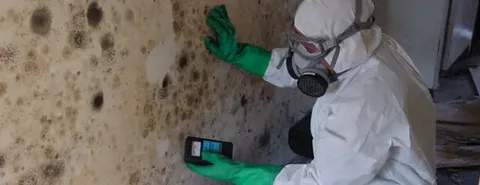
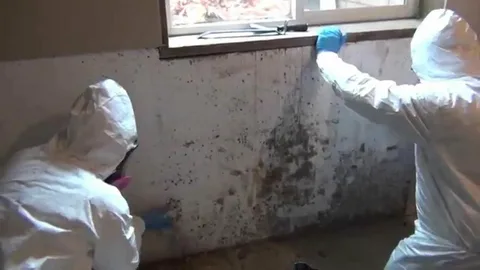
Mold operates on a different timeline but follows similar rules. Newport’s humid summers, with dew points that keep surfaces damp for weeks, create ideal conditions for mold colonization in attics, crawlspaces, and behind walls where slow leaks go undetected. Our inspection process combines air sampling, surface swabs, and moisture mapping to identify not just visible growth, but the hidden colonies that release spores into your HVAC system long before you see discoloration on drywall.
The Real Challenge in Newport
What locals actually face isn’t finding someone to run a test — it’s finding someone who interprets results with Campbell County’s specific conditions in mind. The EPA classifies Campbell County in Zone 1, the highest radon potential category, meaning predicted average indoor levels exceed 4.0 pCi/L. Yet most generic inspection services treat every property the same, applying national averages to a location where geology creates localized hotspots that can vary dramatically from one street to the next.
A client in Newport reached out after their home purchase inspection came back with a radon reading of 6.2 pCi/L — well above the EPA action level. The previous inspector had placed the monitor in a drafty hallway near an exterior door, violating basic protocol, and told them the result “wasn’t that bad” because they didn’t have a basement. We re-ran the test with proper closed-house conditions, placed the monitor in the lowest lived-in level per EPA guidelines, and documented consistent readings over the required 48-hour window. The actual level was 8.4 pCi/L. That difference — between a sloppy test that gave false reassurance and a proper test that revealed the real risk — is why protocol matters more than equipment.
Here is the objection most competitors avoid answering: “If my neighbor tested low, why should I worry?” Two houses on the same Newport street can test completely differently. Different foundations, different ventilation patterns, different cracks and construction gaps create entirely separate radon pathways. Assuming your home is safe because someone nearby tested low is like assuming you don’t need a seatbelt because the car next to you didn’t crash. The only way to know your level is to test your specific property with proper methodology.
How Northern Kentucky Inspections Inc Approaches It Differently
Search for radon inspection advice and you’ll find the same generic guidance everywhere: “test your home,” “hire a professional,” “fix what you find.” What virtually no source explains is how Newport’s specific environmental conditions create inspection challenges that standard protocols miss.
The limestone bedrock underlying Campbell County creates karst topography — sinkholes, fractures, and underground drainage channels that allow radon to move unpredictably. Homes built on these formations often experience higher radon levels during wet seasons when water tables shift and pressure differentials force soil gas upward through new pathways. Northern Kentucky Inspections Inc accounts for this by conducting seasonal baseline testing and recommending follow-up measurements during both wet and dry periods for properties near known karst features. A single test in July might miss the elevated levels that appear in February when heating systems create stronger negative pressure and draw more soil gas inside.
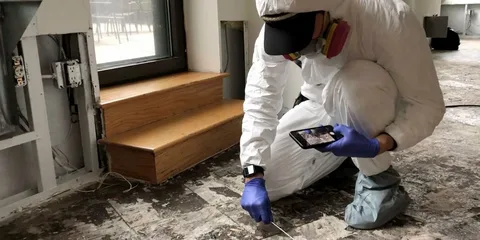
Our mold assessment process also goes deeper than surface-level inspection. Newport’s older homes — many built in the mid-20th century before modern vapor barrier standards — frequently have crawlspaces with inadequate ground cover and perimeter drainage. We use thermal imaging to identify temperature differentials that signal hidden moisture behind walls, and we collect air samples from multiple zones rather than relying on a single grab sample that could miss localized contamination. Radon Inspection Services in Newport, KY The competitor gap insight generic articles never mention: HVAC contamination patterns. Mold spores don’t stay where they grow. Once established in a crawlspace or attic, spores get pulled into ductwork and distributed throughout the home. We inspect duct interiors and filter conditions as part of our standard assessment — because treating the source without addressing the distribution system leaves your family breathing contaminated air even after remediation.
Practical Tips: What to Know Before You Schedule
Before hiring any radon inspection service, ask how they handle seasonal variability. Anyone who claims a single test tells the whole story is oversimplifying a complex problem. Radon levels fluctuate with barometric pressure, soil moisture, and heating system operation. The EPA recommends testing during heating season for a reason — that is when homes typically show their highest readings.
Working with clients in Newport, our team found that homes with crawlspaces — common in Campbell County neighborhoods built before 2000 — consistently show higher mold spore counts than slab or basement homes during summer months. The combination of warm, humid exterior air entering cool crawlspaces creates condensation on floor joists and ductwork that feeds mold growth invisible from the living space. If your home has a crawlspace, insist on both visual inspection and air sampling from that zone, not just the main floor.
One local market-specific tip: Newport’s proximity to the Ohio River and its mix of historic and newer construction create unique moisture management challenges. Check whether your property has proper grading, functioning gutters with downspout extensions, and intact vapor barriers in crawlspaces. These simple features prevent the conditions that lead to both mold growth and elevated radon entry. We include drainage and grading assessment in our standard inspection because fixing these issues often costs less than remediation and provides lasting protection.
Also, verify your inspector’s certification and equipment calibration. Radon measurement requires EPA or NRPP certification, and continuous monitors must be calibrated annually. Mold air sampling demands laboratory analysis by AIHA-accredited facilities. Ask for documentation — legitimate inspectors maintain these records and share them without hesitation. Northern Kentucky Inspections Inc has been serving the region for over 30 years with certified professionals who understand the specific challenges of Campbell County homes.
Why Newport Homeowners Choose Northern Kentucky Inspections Inc
Mold and radon inspections in this environment aren’t about checking boxes for real estate transactions — though they absolutely serve that purpose. They’re about understanding the invisible risks that Campbell County’s geology and climate create for families living in homes that may look perfectly sound from the curb.
When you choose Northern Kentucky Inspections Inc for your Newport, KY property, you get a team that factors in limestone bedrock radon potential, seasonal humidity patterns, crawlspace construction common to the area, and HVAC contamination risks that standard inspections overlook. We don’t run tests. We build complete risk profiles designed for the specific conditions this location creates.
Ready for radon inspection services in Newport, KY that actually protect your family’s health? Contact Northern Kentucky Inspections Inc today for thorough testing, honest interpretation, and clear guidance on whatever your property needs.
FAQs
How common is radon in Newport and Campbell County homes?
Campbell County is EPA Zone 1 — the highest radon potential category — with average indoor levels near or above the 4.0 pCi/L action level. Individual homes in Newport can test anywhere from below 2.0 to over 10.0 pCi/L. The only way to know your specific level is to test your property with proper protocol.
Can mold grow in my home even if I don’t see it?
Absolutely. Mold thrives in hidden spaces — behind walls, in crawlspaces, inside ductwork, and above ceiling tiles. By the time you see visible growth, the colony has usually been established for months. Professional radon inspection services that include mold assessment catch these hidden sources before they cause health issues.
How do I know if an inspector is actually qualified and not just someone with a badge printer?
Ask for EPA or NRPP radon certification, mold assessment credentials, and proof of equipment calibration. Legitimate inspectors carry liability insurance and use AIHA-accredited labs for mold analysis. Northern Kentucky Inspections Inc maintains all of these standards and provides documentation on request.
What does radon inspection services in Newport, KY typically cost?
Most comprehensive inspections range from $350 to $650 depending on property size, number of samples collected, and whether both mold and radon are assessed together. Radon mitigation, if needed, typically runs $1,200 to $2,500. We provide itemized quotes before any work begins so you understand exactly what you’re paying for.
Should I test for radon if I’m buying a home that already has a mitigation system?
Yes. Mitigation systems require periodic verification to confirm they’re maintaining reduced levels. Fans can fail, seals can degrade, and soil conditions can shift. A post-mitigation test ensures the system is still performing as designed — especially important in Campbell County’s high-potential geology.